Have you ever noticed dark spots or uneven patches appearing on your Face? You might have wondered — is it pigmentation or melasma?
While both conditions cause changes in skin colour, they are not the same. Many people confuse melasma with other pigmentation problems, but understanding the difference is essential to getting the proper treatment and achieving healthy, even-toned skin.
At Sano Clinics, our dermatology experts specialize in diagnosing and treating all types of skin discolouration — from mild pigmentation to stubborn melasma. This guide will help you understand what sets the two apart, what causes them, and how you can treat them effectively.
1. What Is Pigmentation?
Pigmentation refers to the colouring of the skin. It is controlled by a natural pigment called melanin, produced by melanocytes. When melanin is produced in excess or distributed unevenly, it leads to hyperpigmentation — dark spots, patches, or uneven skin tone.
Hyperpigmentation is not harmful, but it can be frustrating and affect self-confidence, especially when it appears on visible areas like the Face, neck, or hands.
Common Types of Pigmentation
- Sunspots (Lentigines): Caused by prolonged sun exposure, these are small brown spots found mainly on the Face and arms.
- Post-Inflammatory Hyperpigmentation (PIH): Dark marks that remain after acne, injury, or skin irritation heal.
- Freckles: Tiny spots formed due to genetic factors or sunlight exposure.
- Melasma: A form of pigmentation triggered by hormonal changes (we’ll discuss this separately below).
2. What Is Melasma?
Melasma is a type of hyperpigmentation that appears as brown or gray-brown patches on the skin, particularly on the Face — cheeks, forehead, upper lip, nose, or chin. It’s often symmetrical, appearing on both sides of the Face.
Melasma is sometimes called the “mask of pregnancy” because it often occurs during pregnancy, driven by hormonal changes. It’s more common in women, especially those with medium- to dark-skinned tones.
Main Characteristics of Melasma
- Irregular dark patches on the Face
- Often triggered by a hormonal imbalance
- Becomes worse with sun exposure
- May persist for years without proper treatment
3. The Key Difference Between Melasma and Pigmentation
While melasma falls under the broad category of pigmentation disorders, it is different in several ways — particularly in its cause, appearance, and treatment. Let’s compare them side by side.
Aspect | Melasma | Pigmentation (General) |
Definition | A type of pigmentation caused mainly by hormonal changes | A broad term covering all types of skin discoloration |
Cause | Hormonal imbalance, pregnancy, birth control pills, sunlight | Sun exposure, acne, aging, medications, or inflammation |
Appearance | Brown or gray-brown patches, usually symmetrical | Dark spots, freckles, or uneven tone (can appear anywhere) |
Affected Areas | Face – cheeks, upper lip, forehead, nose | Face, neck, arms, hands, legs, or back |
Gender | Mostly women | Affects both men and women |
Recurrence | High (especially after sun exposure or hormonal triggers) | Moderate (depends on cause and skin type) |
Treatment Duration | Long-term management | Can be treated faster if diagnosed early |
In short:
Melasma is hormone-driven and chronic, requiring consistent care.
Pigmentation is often caused by external factors, such as the sun or acne, and may resolve more quickly.
4. Causes of Pigmentation and Melasma
To treat pigmentation effectively, identifying the root cause is key. Let’s look at the primary triggers:
Causes of Pigmentation
- Sun Exposure: UV rays stimulate excess melanin production, leading to tanning and dark spots.
- Post-Inflammatory Response: After acne, injury, or skin irritation, melanin gathers in healing areas.
- Ageing: As skin ages, melanin distribution becomes uneven.
- Medications: Certain drugs, such as antibiotics, chemotherapy drugs, or antiseizure medicines, may cause pigmentation.
- Genetic Factors: Some people are genetically prone to hyperpigmentation.
Causes of Melasma
- Hormonal Fluctuations: Pregnancy, menopause, or oral contraceptive pills are primary triggers.
- Sunlight: UV rays and even visible light can worsen melasma.
- Heat Exposure: Heat (from cooking, saunas, etc.) can activate pigment-producing cells.
- Cosmetic Irritation: Harsh skincare products or peels may irritate the skin and worsen melasma.
- Genetics: If melasma runs in your family, you may be more likely to develop it.
5. Symptoms to Watch For
Although both conditions cause dark spots or patches, the pattern and appearance differ slightly.
Melasma Symptoms
- Brown, greyish, or tan patches
- Symmetrical pattern on both sides of the Face
- No itching or pain
- Worsens with sun exposure or hormonal changes
Pigmentation Symptoms
- Dark spots, marks, or uneven tone
- It can appear anywhere on the body
- Usually follows acne, injury, or sun exposure
- May fade gradually over time
6. Treatment Options at Sano Clinics
At Sano Clinics, we believe that every skin is unique. That’s why our dermatologists offer personalized pigmentation treatment plans based on the cause, skin tone, and depth of pigmentation.
Here are the most effective options we offer:
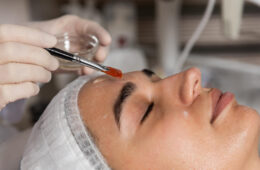
Advanced Chemical Peels
Chemical peels exfoliate the outermost layer of your skin to reveal fresh, evenly toned skin beneath.
- Best for: Mild to moderate pigmentation and post-acne marks.
- Types: Glycolic acid, salicylic acid, lactic acid, and TCA peels.
- Benefits: Smoothens texture, brightens complexion, and reduces dark patches.
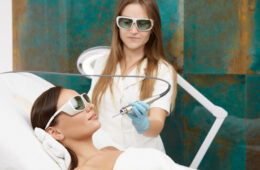
Laser Pigmentation Removal
Our Q-Switched Laser and Fractional Laser treatments precisely target excess melanin without damaging surrounding skin.
- Best for: Deep pigmentation and stubborn melasma.
- Benefits: Quick, effective, and safe for most skin types.
- Sessions: Usually 4–6 sessions, depending on severity.
Microneedling with Brightening Serums
This treatment uses micro-needles to boost collagen production and enhance absorption of brightening serums.
- Best for: Uneven tone, scars, and mild pigmentation.
- Benefits: Improves skin texture and tone naturally.
Medical-Grade Topical Creams
Dermatologists at Sano Clinics prescribe safe, clinically tested creams containing:
- Hydroquinone: Helps reduce melanin formation.
- Retinoids: Promote faster skin cell turnover.
- Vitamin C and Kojic Acid: Natural skin brighteners that even out complexion.
Mesotherapy
A minimally invasive treatment where micro-injections deliver vitamins, enzymes, and brightening agents directly into the skin.
- Best for: Dull skin and pigmentation.
- Benefits: Deep nourishment and visible glow.
Sun Protection & Maintenance
Even after professional treatment, protecting your skin from sunlight is crucial.
- Always use a broad-spectrum sunscreen (SPF 50+).
- Reapply every 2–3 hours when outdoors.
- Use a wide-brimmed hat or umbrella for added protection.
At Sano Clinics, we recommend a customized post-treatment skincare routine to prevent recurrence and maintain results.
7. Lifestyle and Home Care Tips
Professional treatments give fast results, but daily care determines long-term success. Follow these dermatologist-approved tips from Sano Clinics to prevent pigmentation and melasma from coming back:
- Use Sunscreen Daily: Even if you’re indoors, UV rays can penetrate through windows.
- Avoid Harsh Products: Alcohol-based toners and scrubs can irritate skin.
- Eat Antioxidant-Rich Foods: Include berries, leafy greens, and vitamin C–rich fruits.
- Stay Hydrated: Water flushes toxins from your body and keeps your skin clear.
- Manage Hormonal Changes: Consult your doctor about safe hormonal therapies or alternatives to birth control pills.
- Follow a Gentle Night Routine: Use mild cleansers, a hydrating serum, and dermatologist-approved creams.
Avoid Picking Acne or Spots: It can worsen pigmentation.
8. When Should You See a Dermatologist?
If you notice:
- Persistent dark patches that don’t fade
- Pigmentation spreading rapidly
- Uneven skin tone despite using brightening products
- Skin irritation or redness after trying home remedies
…it’s time to visit a skin specialist.
At Sano Clinics, our experts use advanced diagnostic tools to determine whether you have melasma or another form of pigmentation. This ensures you get the proper treatment from the start.
9. Why Choose Sano Clinics for Pigmentation and Melasma Treatment
- Experienced Dermatologists: Specialists trained in medical and cosmetic dermatology.
- Advanced Laser Technology: Safe for all skin types and tones.
- Personalized Plans: Tailored according to your skin’s needs and response.
- Comprehensive Care: From diagnosis to post-treatment skincare guidance.
- Proven Results: Noticeable improvement in tone and texture within a few sessions.
Our goal at Sano Clinics is not just to lighten spots — but to help you achieve naturally radiant, healthy skin that lasts.
Conclusion
Melasma and pigmentation might look similar, but they are not the same.
- Melasma is primarily hormonal and long-lasting.
- Pigmentation is broader and often triggered by the sun, acne, or skin injury.
Both conditions can be treated effectively with the right combination of professional care, advanced technology, and proper maintenance.
At Sano Clinics, we specialize in helping you restore your skin’s natural glow with safe, effective pigmentation solutions. Whether you’re struggling with melasma patches or stubborn acne marks, our expert team will guide you every step of the way — from diagnosis to clear, even skin.
Book Your Consultation at Sano Clinics Today!
Let our dermatologists help you rediscover your clear, radiant complexion. Schedule your personalized pigmentation consultation and start your journey toward flawless skin today.