Acne is one of the most common skin concerns today—affecting teenagers, adults, and even people with otherwise healthy skin. While topical creams and home care can help control breakouts, stubborn acne and acne marks often require professional dermatology treatments. Chemical peels are one of the most effective, medically approved procedures for treating acne, improving skin texture, and enhancing overall skin clarity.
At Sano Clinics, we offer safe, customized chemical peel treatments designed to treat active acne, lighten acne scars, reduce pigmentation, and reveal smoother, clearer skin. This comprehensive guide explains everything—how chemical peels work, the best types for acne, benefits, procedure, cost, and possible side effects.
What Are Chemical Peels?
A chemical peel is a dermatological procedure in which a safe, controlled chemical solution is applied to the skin to exfoliate damaged layers. This controlled exfoliation helps:
- Reduce acne-causing bacteria
- Unclog pores
- Remove dead skin buildup
- Fade acne marks
- Improve oil balance
- Boost collagen production
Chemical peels vary in strength based on the skin concern and depth of treatment required.
How Chemical Peels Work for Acne
Chemical peels target both active acne and acne scars using three primary mechanisms:
1. Deep Pore Cleansing
Acne forms when pores become clogged with oil, bacteria, and dead skin cells. Chemical peels help dissolve this buildup, preventing new acne formation.
2. Killing Acne-Causing Bacteria
Ingredients like salicylic acid or glycolic acid help reduce Propionibacterium acnes, the bacteria responsible for breakouts.
3. Speeding Up Skin Cell Turnover
Peels accelerate skin renewal, promoting healthier skin and reducing marks, pigmentation, and rough texture.
Who Is the Ideal Candidate for Chemical Peels?
Chemical peels are beneficial for people experiencing:
- Active acne
- Whiteheads
- Blackheads
- Oily skin
- Enlarged pores
- Acne scars
- Post-inflammatory hyperpigmentation
- Rough or uneven skin texture
They are suitable for all skin types when performed by a trained dermatologist.
Types of Chemical Peels for Acne at Sano Clinics
Regardless of type, dandruff may cause:
- Visible white or yellow flakes
- Itchy scalp
- Redness or irritation
- Greasy or dry patches
- Tight or inflamed scalp
- Hair fall (due to scratching or inflammation)
If dandruff lasts more than 2–3 weeks, a medical evaluation is recommended.
Dandruff Treatment Options at Sano Clinics
At Sano Clinics, dermatologists customize peels based on your skin type and acne severity. Below are the most effective peels for acne:
1. Salicylic Acid Peel (Best for Oily, Acne-Prone Skin)
How It Works
Salicylic acid is a beta-hydroxy acid (BHA) that penetrates deep into pores and dissolves excess oil and impurities.
Benefits
- Controls oil production
- Reduces blackheads & whiteheads
- Minimises acne flare-ups
- Reduces inflammation
Best for: Active acne, oily skin, clogged pores
2. Glycolic Acid Peel (Best for Acne Marks & Pigmentation)
How It Works
Glycolic acid is an alpha-hydroxy acid (AHA) that exfoliates the upper layers of damaged skin.
Benefits
- Reduces acne scars
- Brightens skin tone
- Improves texture
- Boosts collagen production
Best for: Acne pigmentation, dull skin, mild scars
3. Lactic Acid Peel (Gentle Peel for Sensitive Skin)
How It Works
Lactic acid exfoliates gently while hydrating the skin.
Benefits
- Reduces mild acne
- Lightens pigmentation
- Even skin tone
- Hydrates dry or sensitive skin
Best for: Sensitive or reactive skin types
4. Mandelic Acid Peel (Best for Darker Skin Tones)
How It Works
A slow-penetrating AHA that reduces acne without irritating the skin.
Benefits
- Safe for Indian skin
- Reduces acne and oil
- Lightens marks gradually
- Improves texture
Best for: Sensitive, pigmented, or darker skin types
5. TCA Peel (Medium-Depth Peel for Scars)
How It Works
Trichloroacetic Acid (TCA) penetrates deeper layers of the skin to treat acne scars.
Benefits
- Reduces deep pigmentation
- Improves pitted scars
- Smoothens skin
- Enhances collagen
Best for: Acne scars, stubborn pigmentation
(Note: Requires more downtime)
6. Retinol Peel (Anti-Acne + Anti-Ageing)
How It Works
Retinol increases cell turnover and unclogs pores.
Benefits
- Controls acne
- Fades marks
- Minimizes fine lines
- Improves texture
Best for: Adult acne, ageing skin
Chemical Peel Procedure at Sano Clinics
Our dermatologists follow a safe and standardized procedure:
Step 1: Consultation & Skin Analysis
The doctor evaluates:
- Type of acne
- Skin tone
- Sensitivity
- Treatment history
This ensures the peel chosen is perfect for your skin.
Step 2: Pre-Peel Preparation
You may be advised to:
- Avoid exfoliating products
- Stop retinoids for 2–3 days
- Protect skin from the sun
Step 3: Cleansing the Skin
A gentle cleanser removes dirt, makeup, and oil, ensuring even application.
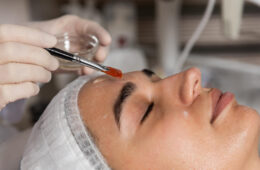
Step 4: Application of the Peel
The chemical solution is applied using cotton pads or brushes and left on for a controlled duration.
Step 5: Neutralization.
Depending on the peel type, the solution is neutralized and washed off.
Step 6: Post-Peel Soothing
Soothing serums, masks, and sunscreen are applied to reduce redness and calm the skin.
Most sessions take 20–30 minutes, making the treatment quick and easy.
Benefits of Chemical Peels for Acne
1. Reduces Active Acne
By unclogging pores and controlling oil, peels prevent future breakouts.
2. Lightens Acne Marks
Peels accelerate cell turnover, fading pigmentation and spots faster.
3. Minimizes Pores
Deep cleansing makes pores appear smaller and tighter.
4. Improves Skin Texture
Peels smooth rough patches and uneven areas caused by acne.
5. Controls Excess Oil
Salicylic and mandelic peels regulate sebum production.
6. Brightens the Skin
A fresh, glowing, even-toned complexion becomes more visible after each session.
7. Boosts Collagen Production
Medium-depth peels improve acne scars by stimulating collagen.
Possible Side Effects of Chemical Peels
Chemical peels are safe when done by trained experts, but mild temporary effects can occur:
- Redness
- Mild peeling or flaking
- Dryness
- Temporary sensitivity
- Slight burning sensation during application
Rare side effects (if done incorrectly):
- Hyperpigmentation
- Scarring
- Infection
This is why peels must always be performed under dermatological supervision.
Aftercare Tips for Chemical Peels
Proper care ensures faster healing and better results:
- Avoid sun exposure for at least 48 hours
- Use sunscreen (SPF 50+) daily
- Avoid the gym, steam, and sweating for 24 hours
- Do not pick or peel flaking skin
- Use a gentle cleanser and moisturizer ✔ Avoid retinoids, scrubs, or exfoliants for 5–7 days
- Stay hydrated
How Many Sessions Do You Need?
Most patients need 4–6 sessions spaced 2–3 weeks apart for best results.
For acne scars: 6–8 sessions
For pigmentation: 4–6 sessions
For active acne: 3–5 sessions
Your dermatologist will plan the ideal treatment schedule.
Chemical Peel Cost in India (Sano Clinics Estimate)
Type of Peel | Cost per Session (₹) |
Salicylic Acid Peel | ₹1,500 – ₹3,000 |
Glycolic Peel | ₹1,500 – ₹3,500 |
Lactic/Mandelic Peel | ₹1,200 – ₹3,000 |
Retinol Peel | ₹2,000 – ₹4,000 |
TCA Peel | ₹4,000 – ₹8,000 |
Costs vary based on peel strength, skin condition, and the number of required sessions.
Why Choose Sano Clinics for Chemical Peel Treatments?
- Dermatologist-performed peels
- Customized peels for your skin type
- Safe for Indian skin
- Advanced, clinic-grade peeling agents
- High hygiene and safety standards
- Visible results within a few sessions
Your skin deserves medically guided, customized care—and Sano Clinics ensures safe, effective acne treatment.
Conclusion
Chemical peels are one of the most reliable dermatology treatments for acne and acne scars. By exfoliating damaged skin, controlling oil, killing acne-causing bacteria, and accelerating cell turnover, chemical peels reveal clearer, brighter, smoother skin.
Whether you’re struggling with active acne, deep pigmentation, or old marks, Sano Clinics offers tailored peel treatments tailored to your skin type that deliver visible improvement in just a few sessions.