Pimples may heal in a few days or weeks, but the scars they leave behind can stay for years—often becoming a constant reminder of past breakouts. Pimple scars affect not just skin appearance but also confidence, self-esteem, and emotional well-being.
With so many creams, home remedies, and “quick fixes” available online, it’s easy to feel confused about what truly works. The reality is simple: effective pimple scar treatment requires the right diagnosis and dermatologist-approved procedures.
In this comprehensive guide, we explain:
- Why do pimple scars form
- Different types of pimple scars
- The best medical treatments that deliver real, visible results
- What to expect before and after treatment
What Are Pimple Scars?
Pimple scars occur when acne inflammation damages the deeper layers of the skin. During healing, collagen production becomes uneven, leading to textural changes or discoloration.
Pimple Scars vs Pimple Marks
- Pimple marks: Red or brown spots (temporary)
- Pimple scars: Permanent structural damage to the skin
Marks can fade with skincare, but scars require medical intervention.
Types of Pimple Scars (Why One Treatment Doesn’t Fit All)
Understanding scar type is the key to successful treatment.
1. Ice Pick Scars
- Deep, narrow, pin-like holes
- Extend into deeper skin layers.
- Most difficult to treat
2. Boxcar Scars
- Broad, shallow depressions
- Sharp edges
- Common on cheeks
3. Rolling Scars
- Wavy or uneven skin texture
- Caused by fibrous bands pulling the skin downward
4. Hypertrophic or Raised Scars
- Thick, raised scars
- More common on the jawline and chest
5. Post-Inflammatory Hyperpigmentation (PIH)
- Dark or red marks
- Not true scars but often mistaken for them
Each type needs a specific, targeted treatment approach.
Why Creams and Home Remedies Don’t Remove Pimple Scars
Many people rely on:
- Scar removal creams
- Vitamin E capsules
- Lemon juice
- Aloe vera
- Natural oils
The Reality
- These products do not penetrate deep into the skin layers.
- They cannot rebuild lost collagen.
- Some cause irritation and worsen pigmentation.
Dermatologist procedures work because they stimulate collagen production from within.
Best Pimple Scar Treatments That Actually Work
1. Microneedling (Dermaroller / RF Microneedling)
Best for: Rolling scars, mild boxcar scars
Microneedling creates tiny controlled injuries in the skin, triggering the body’s natural healing response.
Benefits
- Boosts collagen and elastin
- Improves skin texture
- Minimal downtime
- Safe for Indian skin tones
Sessions Required
- 3–6 sessions, spaced 4–6 weeks apart
2. Subcision – Gold Standard for Depressed Scars
Best for: Deep rolling scars and tethered scars
Subcision involves breaking the fibrous bands under the scar that pull the skin downward.
Why It Works
- Releases depressed scars
- Stimulates collagen regeneration
- Gives visible lifting of scars
Often combined with microneedling or PRP for enhanced results.
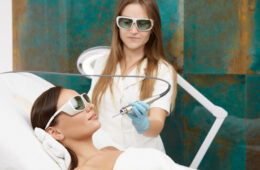
3. Laser Treatments for Pimple Scars
Best for: Boxcar scars, texture irregularities, mixed scars
Lasers work by resurfacing the skin and stimulating collagen production.
Common Laser Types
- Fractional CO₂ laser
- Erbium laser
- Non-ablative fractional lasers
Benefits
- Smoother skin texture
- Reduced scar depth
- Long-lasting results
Multiple sessions are required for safe, gradual improvement.
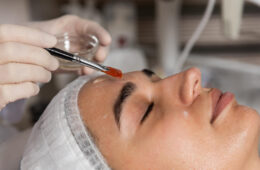
4. TCA CROSS (Chemical Reconstruction of Skin Scars)
Best for: Ice pick scars
TCA CROSS uses a high-strength chemical applied only inside deep scars.
Advantages
- Highly effective for deep scars
- Targets individual scars
- Improves scar depth significantly
Performed only by trained dermatologists.
5. PRP (Platelet-Rich Plasma) Therapy
Best for: Enhancing the results of other treatments
PRP uses growth factors from your own blood to accelerate healing.
Benefits
- Improves skin quality
- Speeds up collagen formation
- Reduces downtime
PRP is commonly combined with microneedling or lasers.
6. Chemical Peels
Best for: Pimple marks, pigmentation, mild texture issues
Chemical peels exfoliate damaged skin layers and promote regeneration.
Types
- Glycolic peel
- Salicylic peel
- TCA peel (lower strength)
Peels are not standalone solutions for deep scars, but are useful as a combination therapy.
7. Dermal Fillers (Selected Cases)
Best for: Certain deep, depressed scars
Fillers temporarily lift scars by adding volume under the skin.
Key Points
- Instant improvement
- Temporary results
- Used selectively
Combination Therapy: The Secret to Real Results
No single treatment can remove all pimple scars.
Dermatologists Often Combine:
- Subcision + microneedling
- Laser + PRP
- TCA CROSS + laser
This multi-layered approach delivers better, longer-lasting results.
How Many Sessions Are Needed?
Scar Severity | Expected Sessions |
Mild | 2–3 |
Moderate | 3–5 |
Severe | 5–7 |
Improvement is gradual and natural-looking.
What Results Can You Expect?
- 40–60% improvement for moderate scars
- 60–80% improvement with combination therapy
- Improved texture, tone, and confidence
Complete scar removal is unrealistic—but significant improvement is achievable.
Downtime and Recovery
Most treatments involve:
- Redness for 1–3 days
- Mild swelling
- Temporary sensitivity
Patients usually resume normal activities quickly with proper care.
Post-Treatment Care (Very Important)
- Strict sun protection
- Gentle skincare
- Avoid picking or scrubbing.
- Follow the dermatologist’s instructions.
Good aftercare prevents pigmentation and improves outcomes.
When Is the Right Time to Treat Pimple Scars?
- After active acne is controlled
- Earlier treatment gives better collagen response.
- No age limit for scar treatment
Emotional Benefits of Treating Pimple Scars
Pimple scar treatment improves:
- Self-confidence
- Social comfort
- Professional appearance
- Mental well-being
Healthy skin positively impacts overall quality of life.
Final Thoughts
Pimple scars don’t fade with time—but they can be significantly improved with the right dermatological treatments. Avoid wasting time and money on ineffective remedies. Instead, consult a qualified dermatologist, understand your scar type, and choose a personalized treatment plan.
Real results come from science, skill, and consistency