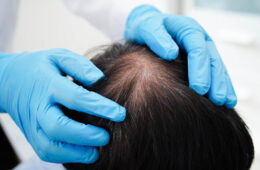
Your scalp plays a vital role in protecting your head and supporting healthy hair growth. However, many people experience scalp problems at some point in their lives. From mild dandruff to painful infections and hair loss conditions, scalp disorders can affect your comfort, confidence, and overall hair health.
Understanding the causes, types, symptoms, and treatments of scalp disorders is the first step toward effective management. In this comprehensive guide, we’ll explain everything you need to know — and when to seek professional help.
What Are Scalp Disorders?
Scalp disorders are medical conditions that affect the skin on your head. These conditions may cause itching, redness, flaking, inflammation, hair thinning, or even scarring.
Some scalp issues are temporary and mild, while others require medical treatment. Early diagnosis is important to prevent complications like permanent hair loss.
Common Causes of Scalp Disorders
Scalp conditions can develop due to multiple reasons. Here are the most common causes:
1. Excess Oil Production
Overactive sebaceous glands can lead to an oily scalp, clogged follicles, dandruff, and fungal growth.
2. Fungal Infections
Fungi such as Malassezia can trigger dandruff and seborrheic dermatitis.
3. Bacterial Infections
Bacteria entering hair follicles can cause folliculitis, leading to painful bumps.
4. Autoimmune Conditions
Some disorders occur when the immune system attacks healthy scalp cells, as seen in psoriasis or alopecia areata.
5. Poor Hair Hygiene
Irregular washing, excessive product buildup, and sweat accumulation can worsen scalp issues.
6. Hormonal Changes
Hormonal imbalances may increase oil production and contribute to scalp inflammation or hair thinning.
7. Allergic Reactions
Hair dyes, shampoos, and styling products may cause contact dermatitis.
8. Stress
High stress levels can trigger or worsen certain scalp conditions, including hair loss.
Types of Scalp Disorders
Let’s explore the most common scalp disorders in detail.
1. Dandruff
Dandruff is one of the most common scalp problems. It causes white or yellow flakes on the scalp and shoulders.
Symptoms:
- Flaky skin
- Mild itching
- Oily or dry patches
Causes:
- Fungal growth
- Dry scalp
- Oily scalp
- Sensitivity to hair products
Treatment:
- Anti-dandruff shampoos with ketoconazole or zinc
- Regular scalp cleansing
- Avoiding harsh hair products
2. Seborrheic Dermatitis
This is a more severe form of dandruff that causes red, inflamed, and scaly patches.
Symptoms:
- Thick, greasy scales
- Redness
- Persistent itching
- Yellowish flakes
Treatment:
- Medicated shampoos
- Topical antifungal creams
- Anti-inflammatory treatments
3. Scalp Psoriasis
Scalp psoriasis is a chronic autoimmune condition causing thick, silvery scales.
Symptoms:
- Thick crusted patches
- Intense itching
- Dry scalp
- Possible hair shedding
Treatment:
- Steroid lotions
- Vitamin D creams
- Medicated shampoos
- Advanced dermatological therapies
4. Folliculitis
Folliculitis occurs when hair follicles become inflamed due to bacterial infection.
Symptoms:
- Red bumps
- Pus-filled pimples
- Tenderness
- Pain while touching the scalp
Treatment:
- Antibiotics
- Antiseptic scalp washes
- Avoid tight hairstyles
5. Tinea Capitis (Scalp Ringworm)
This is a contagious fungal infection common in children.
Symptoms:
- Circular bald patches
- Broken hairs
- Red, scaly skin
- Itching
Treatment:
- Oral antifungal medications
- Medicated shampoos
6. Alopecia Areata
An autoimmune condition that causes sudden patchy hair loss.
Symptoms:
- Round bald spots
- Smooth scalp patches
- Sudden hair shedding
Treatment:
- Steroid injections
- Immunotherapy
- Hair regrowth treatments
7. Contact Dermatitis
An allergic reaction to hair products or chemicals.
Symptoms:
- Burning sensation
- Red rash
- Swelling
- Severe itching
Treatment:
- Identifying and avoiding the trigger
- Topical steroids
- Soothing scalp treatments
8. Scalp Eczema
Eczema can affect the scalp, leading to dry, irritated skin.
Symptoms:
- Dry patches
- Crusting
- Itching
- Inflammation
Treatment:
- Moisturising scalp care
- Anti-inflammatory medications
- Gentle cleansing products
Symptoms of Scalp Disorders
Although symptoms vary depending on the condition, common signs include:
- Persistent itching
- Flaking or scaling
- Redness or inflammation
- Hair thinning or patchy hair loss
- Oily or excessively dry scalp
- Pain or tenderness
- Burning sensation
- Blisters or pus-filled bumps
If symptoms last more than two weeks or worsen, professional consultation is recommended.
When Should You See a Specialist?
You should seek medical attention if:
- Over-the-counter shampoos don’t help.
- You notice sudden hair loss.
- The scalp becomes painful.
- There are signs of infection (pus, swelling, fever)
- Symptoms keep recurring
Early treatment prevents permanent hair damage and scarring.
Diagnosis of Scalp Disorders
At a professional clinic, diagnosis may involve:
- Physical scalp examination
- Medical history review
- Scalp biopsy (in rare cases)
- Microscopic examination for fungal infection
- Patch testing for allergies
Proper diagnosis ensures targeted and effective treatment.
Effective Treatments for Scalp Disorders
Treatment depends on the specific condition, but may include:
1. Medicated Shampoos
Contain antifungal, antibacterial, or anti-inflammatory ingredients.
2. Topical Treatments
Creams, lotions, and scalp serums reduce inflammation and infection.
3. Oral Medications
Used for severe infections or autoimmune disorders.
4. Steroid Therapy
Helps reduce inflammation in psoriasis or alopecia areata.
5. Advanced Dermatology Procedures
- PRP therapy for hair loss
- Laser therapy
- Scalp detox treatments
Home Care Tips for a Healthy Scalp
While medical treatment is essential for serious conditions, these daily habits help maintain scalp health:
- Wash your hair regularly.
- Use mild, sulfate-free shampoos.
- Avoid excessive heat styling.
- Limit chemical treatments
- Eat a balanced diet rich in protein and vitamins.
- Stay hydrated
- Manage stress
Can Scalp Disorders Cause Hair Loss?
Yes. Many scalp disorders can interfere with healthy hair growth.
Conditions like psoriasis, fungal infections, and severe inflammation may damage hair follicles. If left untreated, some disorders can lead to temporary or permanent hair loss.
This is why early intervention is crucial.
Preventing Scalp Disorders
Although not all scalp conditions are preventable, you can reduce risk by:
- Maintaining proper hygiene
- Avoiding sharing combs or hats
- Using dermatologist-approved hair products
- Treating dandruff early
- Protecting your scalp from excessive sun exposure
Why Professional Treatment Matters
Self-diagnosis can sometimes worsen scalp issues. Many conditions look similar but require different treatments.
For example:
- Dandruff and psoriasis may appear similar.
- Fungal infections can be mistaken for dry scalp.
- Allergic reactions may resemble eczema.
Professional evaluation ensures accurate diagnosis and faster recovery.
Expert Scalp Care at Sano Clinics
At Sano Clinics, we provide comprehensive evaluation and customised treatment plans for various scalp disorders. Our specialists focus on:
- Accurate diagnosis
- Advanced dermatological treatments
- Personalised scalp care plans
- Long-term hair and scalp health solutions
We aim not only to treat symptoms but to address the root cause for lasting relief.
Conclusion
Scalp disorders are common, but they should never be ignored. Whether you’re dealing with mild dandruff or persistent scalp inflammation, early treatment makes a significant difference.
Healthy hair begins with a healthy scalp. If you experience ongoing itching, flaking, redness, or hair thinning, consult a qualified specialist to prevent complications and restore confidence.
With the right care, most scalp conditions can be effectively managed — and in many cases, completely resolved.