Healthy, glowing skin is a universal desire, but pigmentation on the cheeks can make achieving an even skin tone difficult. Pigmentation is common and affects people of all ages and skin types. It can show as dark spots, patches, or an uneven skin tone. This often impacts confidence and how you look.
While many people try to cover pigmentation with makeup or ignore it, understanding its root causes and treatment options is essential for long-term results. The good news is that modern dermatology offers a wide range of effective solutions for safely treating and managing pigmentation.
This guide will cover everything you need to know about pigmentation on cheeks. This includes causes, symptoms, types, and the best dermatologist-approved treatments today.
What is Pigmentation on Cheeks?
Pigmentation refers to the natural color of your skin, which is determined by a pigment called melanin. Melanin is produced by cells known as melanocytes. When these cells produce excess melanin in certain areas, it leads to hyperpigmentation.
On the cheeks, pigmentation often appears as:
- Dark spots or patches
- Brown, grey, or black discoloration
- Uneven skin tone
- Dull-looking skin
This condition is usually harmless but can be stubborn and difficult to treat without proper care.
What Causes Pigmentation on Cheeks?
Understanding the cause of pigmentation is crucial because treatment varies depending on the underlying reason. Below are the most common causes:
1. Sun Exposure (UV Damage)
Excessive sun exposure is the leading cause of pigmentation. Ultraviolet (UV) rays stimulate melanocytes to produce more melanin as a protective response. Over time, this leads to sunspots or dark patches, especially on the cheeks, which are constantly exposed to the sun.
2. Hormonal Changes (Melasma)
Hormonal fluctuations, especially in women, can lead to melasma. This condition is common during pregnancy, while taking oral contraceptives, or due to hormonal imbalances. It usually appears as symmetrical brown patches on the cheeks.
3. Post-Inflammatory Hyperpigmentation (PIH)
After skin inflammation caused by acne, burns, cuts, or irritation, the skin may produce excess melanin. This results in dark marks that remain even after the original issue has healed.
4. Aging and Environmental Damage
As we age, our skin becomes more susceptible to pigmentation due to cumulative sun exposure and slower skin cell turnover. Pollution and environmental toxins can also contribute to uneven skin tone.
5. Genetics
Some individuals are genetically predisposed to pigmentation disorders. If your family members have pigmentation issues, you may be more likely to experience them.
6. Improper Skincare Routine
Using harsh skincare products, over-exfoliating, or trying multiple treatments without guidance can irritate the skin and trigger pigmentation.
Symptoms of Pigmentation on Cheeks
Pigmentation can vary in appearance based on its cause and severity. Common signs include:
- Dark or discolored patches on the cheeks
- Uneven or blotchy skin tone
- Spots that darken with sun exposure
- Symmetrical patches (especially in melasma)
- Persistent marks after acne or injury
In some cases, pigmentation may gradually worsen if left untreated.
Different Types of Cheek Pigmentation
1. Melasma
Melasma is one of the most common forms of facial pigmentation. It appears as brown or grey-brown patches, typically on both cheeks. Hormonal changes and sun exposure are major triggers.
2. Sunspots (Solar Lentigines)
These are flat, dark spots caused by prolonged exposure to sunlight. They are more common in people over 30.
3. Post-Inflammatory Hyperpigmentation (PIH)
This type occurs after skin inflammation such as acne, eczema, or injury. It is more common in individuals with darker skin tones.
4. Freckles
Freckles are small, light brown spots that become more prominent with sun exposure. They are usually genetic and harmless.
How is Pigmentation Diagnosed?
A dermatologist will assess your skin to determine the type and depth of pigmentation. Diagnosis may include:
- Visual skin examination
- Medical history review
- Wood’s lamp examination (to check pigmentation depth)
Accurate diagnosis helps in selecting the most effective treatment plan.
Dermatologist-Approved Treatments for Pigmentation
Modern dermatology offers several advanced treatments to reduce pigmentation effectively. Depending on your skin type and condition, your dermatologist may recommend one or a combination of the following:
1. Topical Treatments
These are usually the first step in treating pigmentation:
- Hydroquinone – A powerful skin-lightening agent that reduces melanin production
- Retinoids – Improve skin cell turnover and fade dark spots
- Vitamin C – Brightens skin and protects against sun damage
- Kojic Acid – Helps reduce pigmentation and even out skin tone.
- Niacinamide – Reduces inflammation and improves skin texture.
2. Chemical Peels
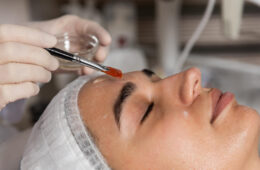
Chemical peels involve applying a solution that exfoliates the top layer of skin, revealing fresh, even-toned skin underneath. They are effective for mild to moderate pigmentation and also improve skin texture.
3. Laser Treatments
Laser therapy is one of the most advanced solutions for stubborn pigmentation. It works by targeting melanin deposits and breaking them down without damaging surrounding skin. Multiple sessions may be required for the best results.
4. Microdermabrasion
This non-invasive procedure gently exfoliates the skin, removing dead skin cells and improving overall skin tone and texture.
5. PRP (Platelet-Rich Plasma) Therapy
PRP therapy uses your body’s own growth factors to rejuvenate the skin and reduce pigmentation. It also improves overall skin health and glow.
Natural Remedies for Cheek Pigmentation
While professional treatments are more effective, some home remedies may help in mild cases:
- Aloe Vera – Soothes skin and may reduce pigmentation.
- Turmeric – Contains anti-inflammatory and brightening properties.
- Yogurt – Lactic acid helps exfoliate and lighten skin
- Potato Juice – Known for mild skin-lightening effects
- Green Tea Extract – Helps reduce melanin production.
Important: Natural remedies take time and may not work for deeper pigmentation. Always perform a patch test before use
Prevention Tips for Pigmentation
Preventing pigmentation is just as important as treating it. Here are some essential tips:
1. Use Sunscreen Daily
Apply a broad-spectrum sunscreen with SPF 30 or higher every day, even when indoors.
2. Avoid Peak Sun Hours
Try to stay indoors between 10 AM and 4 PM when UV rays are strongest.
3. Follow a Consistent Skincare Routine
Use gentle cleansers and moisturizers and avoid harsh chemicals.
4. Stay Hydrated and Eat Healthy
A balanced diet rich in antioxidants helps maintain healthy skin.
5. Avoid Touching or Picking Skin
Picking acne or scabs can lead to long-term pigmentation.
Why Professional Treatment is Better Than DIY
While home remedies may seem convenient, they often provide slow or limited results. Professional treatments offer several advantages:
- Faster and more visible results
- Customized treatment plans
- Safe procedures performed by experts
- Long-term improvement in skin quality
For moderate to severe pigmentation, consulting a dermatologist is always the best choice.
When Should You Consult a Dermatologist?
You should seek professional help if:
- Pigmentation is increasing or spreading.
- Over-the-counter products are not working.
- You notice sudden skin discoloration.
- Pigmentation affects your confidence.
Early treatment can prevent pigmentation from becoming more severe.
Conclusion
Pigmentation on the cheeks is a common skin concern, but it is completely manageable with the right approach. Whether caused by sun exposure, hormonal changes, acne, or aging, identifying the root cause is key to effective treatment.
With advancements in dermatology, there are now multiple safe and effective treatments available to restore your skin’s natural glow. Combining professional treatments with a proper skincare routine and sun protection can deliver long-lasting results.
If you’re struggling with stubborn pigmentation, don’t rely solely on home remedies. Consulting a qualified dermatologist can help you achieve clearer, healthier, and more radiant skin.