Skin breakouts are one of the most common concerns faced by people of all ages. Whether you’re a teenager dealing with hormonal changes or an adult experiencing sudden breakouts, you’ve likely come across the terms acne and pimples.
Most people use these words interchangeably—but medically, they are not the same.
Understanding the difference between acne and pimples is essential because it directly impacts how you treat your skin. Using the wrong products or ignoring early symptoms can worsen the condition and even lead to permanent scarring.
At Sano Clinics, we specialize in advanced dermatological care and personalized skin treatments. In this comprehensive guide, we’ll explain what acne and pimples are, how they differ, their causes, and the most effective treatments available today.
What Is Acne?
Acne is a chronic inflammatory skin condition that occurs when hair follicles become clogged with oil (sebum), dead skin cells, and bacteria.
It is not just a temporary issue—it can persist for months or even years if not treated properly.
Common Areas Affected
- Face
- Chest
- Back
- Shoulders
Types of Acne
Acne can appear in different forms, depending on severity:
- Blackheads: Open clogged pores that appear dark
- Whiteheads: Closed, clogged pores
- Papules: Small red, inflamed bumps
- Pustules: Pimples filled with pus
- Nodules: Large, painful lumps under the skin
- Cysts: Severe, deep, pus-filled lesions that may cause scarring
At Sano Clinics, identifying the type of acne is the first step toward choosing the right treatment plan.
What Are Pimples?
Pimples are individual inflamed spots that occur due to clogged pores. They are actually a symptom of acne, not a separate skin condition.
In simple terms:
Acne is a condition.
Pimples are one of its visible signs.
A person can have an occasional pimple without having chronic acne, but repeated breakouts may indicate underlying acne.
Key Differences Between Acne and Pimples
Feature | Acne | Pimples |
Definition | Chronic skin condition | Symptom of acne |
Duration | Long-term | Short-term |
Severity | Mild to severe | Usually mild |
Treatment | Medical + clinical care | Basic skincare |
Risk | Can cause scars | Rarely causes scars |
What Causes Acne?
Acne is influenced by multiple internal and external factors.
1. Excess Oil Production
Sebaceous glands produce too much oil, which clogs pores and leads to breakouts.
2. Hormonal Changes
Hormones play a major role, especially during:
- Puberty
- Menstruation
- Pregnancy
- PCOS
3. Bacterial Growth
The bacteria Cutibacterium acnes cause inflammation, leading to red, swollen acne.
4. Dead Skin Cell Buildup
When dead skin cells don’t shed properly, they block pores.
5. Diet and Lifestyle
- High sugar intake
- Dairy products
- Processed foods
These may trigger or worsen acne.
6. Stress
Stress increases cortisol levels, which stimulates oil production and worsens acne
What Causes Pimples?
Pimples can occur due to simple, everyday reasons:
- Poor skincare routine
- Using oily or comedogenic products
- Sweat and dirt buildup
- Touching your face frequently
- Occasional hormonal fluctuations
Unlike acne, pimples are usually temporary and easier to manage.
Types of Pimples
Understanding pimple types helps in quick treatment:
- Whiteheads: Small, closed bumps
- Blackheads: Open pores filled with oil
- Papules: Red, tender bumps
- Pustules: Pimples with pus
How to Treat Pimples Effectively
Most pimples can be treated with simple care and over-the-counter solutions.
Basic Skincare Routine
- Wash your face twice daily.
- Use a gentle cleanser.
- Avoid touching or picking your skin.
Effective Ingredients
- Salicylic Acid: Clears pores
- Benzoyl Peroxide: Kills acne-causing bacteria
- Niacinamide: Reduces inflammation
Quick Tips
- Apply spot treatment
- Use oil-free moisturizers
- Keep your skin clean and hydrated.
How to Treat Acne at Sano Clinics
Acne requires a more structured and professional approach. At Sano Clinics, we offer customized treatment plans based on your skin type and acne severity.
1. Topical Treatments
These are applied directly to the skin:
- Retinoids (boost cell turnover)
- Antibiotic creams (reduce bacteria)
- Anti-inflammatory gels
2. Oral Medications
For moderate to severe acne:
- Antibiotics
- Hormonal therapy
- Isotretinoin (for severe cases)
These are prescribed only after a detailed consultation.
3. Advanced Dermatological Treatments
At Sano Clinics, we offer cutting-edge procedures:
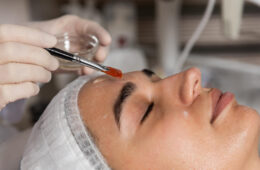
Chemical Peels
- Exfoliate skin
- Reduce acne marks
- Improve texture
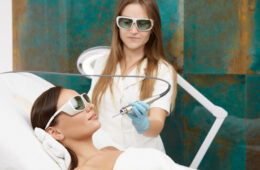
Laser Therapy
- Targets acne-causing bacteria
- Reduces inflammation
- Improves skin clarity
Acne Facials
- Deep cleansing
- Removes impurities
- Controls oil production
Microneedling for Acne Scars
- Stimulates collagen
- Reduces scars and marks
Skincare Routine for Acne-Prone Skin
Morning Routine
- Gentle cleanser
- Niacinamide serum
- Oil-free moisturizer
- Sunscreen (SPF 30+)
Night Routine
- Cleanser
- Retinol or treatment cream
- Hydrating moisturizer
At Sano Clinics, we provide personalized skincare routines for the best results.
Lifestyle Tips for Clear Skin
Healthy skin starts from within.
Stay Hydrated
Water helps flush out toxins and maintain skin balance.
Eat Skin-Friendly Foods
Include:
- Fruits and vegetables
- Whole grains
- Zinc-rich foods
Manage Stress
Practice yoga, meditation, or exercise regularly.
Maintain Hygiene
- Change pillowcases regularly
- Clean makeup tools
- Avoid touching your face.
Common Mistakes to Avoid
- Popping pimples (causes scars)
- Overwashing the face
- Using harsh products
- Ignoring early acne signs
- Skipping sunscreen
When Should You See a Dermatologist?
Visit Sano Clinics if you experience:
- Severe or painful acne
- Frequent breakouts
- Acne scars or pigmentation
- No improvement with home remedies
Early treatment prevents long-term skin damage.
Myths vs Facts
Myth: Acne is caused by dirty skin
Fact: It’s mainly due to hormones and oil production
Myth: Popping pimples helps them heal faster
Fact: It increases inflammation and leads to scars
Myth: Only teenagers get acne
Fact: Adult acne is very common
Why Choose Sano Clinics for Acne Treatment?
- Experienced dermatologists
- Advanced treatment technologies
- Personalized skincare solutions
- Safe and hygienic environment
- Long-term skin health focus
We treat not just the symptoms, but the root cause of your skin concerns.
Conclusion
While acne and pimples are closely related, they are not the same. Pimples are just one symptom of acne, while acne is a broader condition that may require professional treatment.
Understanding this difference helps you choose the right approach—whether it’s simple skincare or advanced dermatological care.
At Sano Clinics, we provide expert guidance and customized treatments to help you achieve clear, healthy, and confident skin.
Book your consultation today and take the first step toward acne-free skin.