Hyperpigmentation is one of the most common skin concerns affecting people of all ages and skin types. From stubborn dark spots and acne marks to uneven skin tone and sun damage, pigmentation issues can significantly impact your confidence and overall appearance.
While there are countless creams and home remedies available, many fail to deliver noticeable or long-lasting results. This is where chemical peels for hyperpigmentation stand out as a clinically proven and highly effective solution.
If you’re struggling with dark spots and looking for a treatment that actually works, this comprehensive guide will help you understand everything about chemical peels, how they work, and which type is best for your skin—especially for Indian skin tones.
What Is Hyperpigmentation?
Hyperpigmentation refers to areas of the skin that become darker than the surrounding skin due to excess production of melanin.
Common Types of Hyperpigmentation:
- Sunspots (Age spots): Caused by prolonged sun exposure
- Melasma: Hormonal pigmentation, often seen in women
- Post-Inflammatory Hyperpigmentation (PIH): Dark marks left after acne or skin injury
Hyperpigmentation is harmless but can be stubborn and difficult to treat without professional intervention.
What Are Chemical Peels?
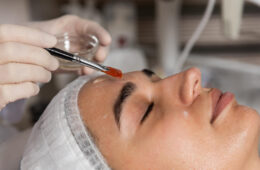
Chemical peels are dermatological treatments that use specially formulated acids to exfoliate the top layers of the skin. This process removes damaged skin cells and promotes the growth of new, healthier skin.
The result?
- Brighter complexion
- Reduced dark spots
- Smoother skin texture
- Even skin tone
Chemical peels are widely used in aesthetic dermatology because they are effective, customizable, and relatively quick procedures.
How Do Chemical Peels Work for Hyperpigmentation?
Chemical peels work by accelerating skin cell turnover.
Here’s what happens during the process:
- A chemical solution is applied to the skin.
- It gently exfoliates the outer damaged layers.
- Pigmented cells are removed.
- New skin cells regenerate
- Skin appears clearer and more even-toned
Over multiple sessions, pigmentation gradually fades, revealing healthier skin.
Types of Chemical Peels for Hyperpigmentation
Not all chemical peels are the same. The right choice depends on your skin type, pigmentation severity, and goals.
1. Superficial Peels (Light Peels)
These are mild peels that target the outermost layer of the skin.
Common acids used:
- Glycolic acid
- Lactic acid
- Mandelic acid
Best for:
- Mild pigmentation
- Dull skin
- Beginners
Benefits:
- Minimal downtime
- Safe for most skin types
- Gradual improvement
2. Medium Peels
These penetrate deeper into the skin layers.
Common acids used:
- Trichloroacetic Acid (TCA)
- Stronger glycolic acid
Best for:
- Moderate pigmentation
- Acne scars
- Uneven skin tone
Benefits:
- More noticeable results
- Faster improvement compared to light peels
3. Deep Peels
These are intensive treatments used for severe pigmentation.
Best for:
- Deep melasma
- Stubborn dark patches
- Severe sun damage
Note:
Deep peels require professional supervision and a longer recovery time.
Best Chemical Peels for Dark Spots
Some chemical peels are particularly effective for treating hyperpigmentation.
Glycolic Acid Peel
- Derived from sugarcane
- Penetrates deeply
- Excellent for sun damage and dull skin
Salicylic Acid Peel
- Ideal for acne-prone skin
- Reduces breakouts and acne marks
Lactic Acid Peel
- Gentle and hydrating
- Suitable for sensitive skin
Mandelic Acid Peel
- Works well for darker skin tones
- Lower risk of irritation
TCA Peel
- Effective for deeper pigmentation
- Provides faster results
Are Chemical Peels Safe for Indian Skin?
Yes—when performed by qualified professionals.
Indian skin (Fitzpatrick types IV–V) is more prone to:
- Post-inflammatory hyperpigmentation
- Sensitivity
That’s why it’s important to:
- Choose the right peel.
- Avoid aggressive treatments
- Follow proper aftercare
At Sano Clinics, treatments are customized specifically for Indian skin to ensure safe and effective results.
Benefits of Chemical Peels for Hyperpigmentation
Chemical peels offer multiple skin benefits beyond just reducing dark spots.
Key Benefits:
- Reduces pigmentation and dark spots
- Improves skin tone and texture
- Boosts collagen production
- Minimizes pores
- Enhances skin glow
What to Expect During the Procedure
The procedure is quick and usually takes 20–30 minutes.
Steps Involved:
- Skin cleansing
- Application of chemical peel solution
- Mild tingling or burning sensation
- Neutralization and removal
- Application of soothing products
Recovery and Aftercare
Aftercare is crucial for achieving the best results.
Post-Treatment Effects:
- Mild redness
- Peeling or flaking
- Slight sensitivity
Aftercare Tips:
- Use sunscreen (SPF 30+ or higher)
- Avoid direct sun exposure.
- Keep skin moisturized
- Avoid harsh skincare products.
How Many Sessions Are Needed?
Results depend on the severity of pigmentation.
- Mild pigmentation: 3–4 sessions
- Moderate pigmentation: 4–6 sessions
- Severe pigmentation: 6+ sessions
Sessions are usually spaced 2–4 weeks apart
Chemical Peels vs Home Remedies
- Mild issues: 1 session
- Moderate concerns: 2–3 sessions
- Severe scars: 3–5 sessions
CO2 Laser vs Other Skin Treatments
Many people try DIY solutions, but they often fall short.
Aspect | Chemical Peels | Home Remedies |
Effectiveness | High | Low |
Speed of Results | Fast | Slow |
Safety | Controlled | Unpredictable |
Customization | Yes | No |
Professional treatments deliver faster and more reliable results.
Who Is an Ideal Candidate?
You may benefit from chemical peels if you have:
- Dark spots
- Melasma
- Acne pigmentation
- Uneven skin tone
However, consultation is necessary if you:
- Have sensitive skin
- Are pregnant
- Have active skin infections.
Why Choose Sano Clinics for Chemical Peels?
At Sano Clinics, we provide advanced skin treatments tailored to individual needs.
What sets us apart:
- Experienced dermatologists
- Customized peel selection
- Safe for Indian skin
- Advanced techniques
- Focus on long-term skin health.
We don’t believe in one-size-fits-all treatments—every skin type gets personalized care.
Conclusion
Hyperpigmentation can be stubborn, but it’s not permanent. With the right treatment approach, you can achieve clearer, brighter, and more even-toned skin.
Chemical peels are one of the most effective and scientifically proven methods to reduce dark spots and improve overall skin quality. When performed under expert supervision, they deliver visible results with minimal risk.
If you’ve been struggling with pigmentation and want a solution that actually works, chemical peels could be the right choice for you.