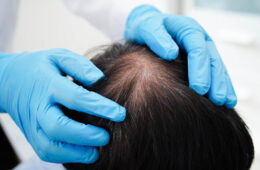
Hair loss is one of the most common concerns affecting both men and women today. While occasional hair fall is normal, persistent thinning or receding hairlines can be alarming—especially when it runs in the family. This type of hair loss is known as genetic hair loss or androgenetic alopecia, and it accounts for nearly 90% of hair loss cases worldwide.
If you’ve been noticing gradual thinning, reduced hair density, or a widening part line, there’s a strong possibility that genetics may be the underlying cause. The good news is that with advancements in dermatology and hair restoration treatments, genetic hair loss can now be effectively managed—and in many cases, significantly improved.
In this comprehensive guide, we’ll explore everything you need to know about genetic hair loss, including its causes, early warning signs, stages, and the most effective treatment options available at leading clinics like Sano Clinics.
What Is Genetic Hair Loss?
Genetic hair loss, or androgenetic alopecia, is a hereditary condition that leads to progressive hair thinning over time. It occurs due to a combination of genetic predisposition and hormonal activity—primarily involving a hormone called dihydrotestosterone (DHT).
In individuals with this condition, hair follicles gradually shrink, resulting in thinner, shorter hair strands. Over time, these follicles may stop producing hair altogether, leading to noticeable baldness or thinning.
This condition affects both genders differently:
- Men typically experience a receding hairline and bald spots.
- Women usually experience overall thinning rather than complete baldness.
What Causes Genetic Hair Loss?
Understanding the root causes helps in choosing the right treatment approach.
1. Hereditary Factors
Genetic hair loss is passed down through family genes. If your parents or close relatives have experienced hair thinning or baldness, your chances of developing it are significantly higher. These genes influence how sensitive your hair follicles are to hormonal changes.
2. Role of DHT (Dihydrotestosterone)
DHT is a derivative of testosterone and plays a key role in genetic hair loss.
- It binds to hair follicles.
- Causes them to shrink (miniaturization)
- Shortens the hair growth cycle
As a result, hair becomes finer, weaker, and eventually stops growing.
3. Hormonal Imbalance
Hormonal fluctuations can accelerate hair loss, especially in women. Conditions such as:
- PCOS (Polycystic Ovary Syndrome)
- Thyroid disorders
- Menopause
can worsen genetic hair thinning.
4. Aging
As we age, hair growth naturally slows down. In people with a genetic predisposition, this process is faster and more noticeable.
5. Lifestyle Triggers
While genetics is the primary cause, certain factors can worsen hair loss:
- Stress
- Poor nutrition
- Smoking
- Excessive chemical treatments
Symptoms of Genetic Hair Loss
Recognizing early signs can make a huge difference in treatment success.
Common Symptoms in Men:
- Gradual receding hairline
- Thinning at the crown
- M-shaped hair pattern
- Visible bald patches
Common Symptoms in Women:
- Widening of the part line
- Reduced hair volume
- Diffuse thinning across the scalp.
- Increased hair fall during combing or washing
General Warning Signs:
- Hair strands are becoming thinner.
- Slow regrowth
- More hair on the pillow or the shower drain
Stages of Genetic Hair Loss
Hair loss doesn’t happen overnight—it progresses in stages.
Early Stage
- Mild thinning
- Slight changes in the hairline
- Minimal visible scalp
Moderate Stage
- Noticeable thinning
- Reduced density
- Visible scalp in certain areas
Advanced Stage
- Significant hair loss
- Bald patches
- Minimal regrowth
Early intervention during the initial stages offers the best results.
Can Genetic Hair Loss Be Reversed?
This is one of the most frequently asked questions.
The truth is:
- Genetic hair loss cannot be completely cured.
- But it can be controlled and managed effectively.
- Early-stage hair loss can often be partially reversed.
With the right treatment plan, you can:
- Slow down hair loss
- Strengthen existing hair
- Stimulate regrowth
Most Effective Treatments for Genetic Hair Loss
Modern dermatology offers several clinically proven solutions.
1. Minoxidil (Topical Treatment)
Minoxidil is one of the most widely used treatments.
How it works:
- Improves blood flow to the scalp
- Stimulates hair follicles
- Extends the growth phase
Benefits:
- Suitable for men and women
- Easy to use
- Visible results in 3–6 months
2. Finasteride (Oral Medication)
Finasteride works by blocking the conversion of testosterone into DHT.
Benefits:
- Reduces hair loss
- Prevents further follicle damage
- Promotes regrowth in some cases
Note: Usually prescribed for men under medical supervision.
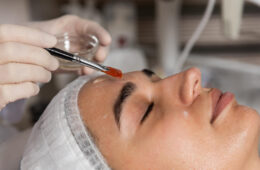
3. PRP Therapy (Platelet-Rich Plasma)
PRP is a highly effective, non-surgical solution.
Procedure:
- Blood is drawn from the patient.
- Platelets are concentrated
- Injected into the scalp
Benefits:
- Stimulates natural hair growth
- Improves hair thickness
- Safe and minimally invasive
4. Hair Transplant Surgery
For advanced hair loss, a hair transplant is the most permanent solution.
Types:
Advantages:
- Natural-looking results
- Permanent hair growth
- High success rate
5. Mesotherapy
This treatment involves injecting nutrients directly into the scalp.
Includes:
- Vitamins
- Amino acids
- Growth factors
Benefits:
- Nourishes hair follicles
- Improves scalp health
- Reduces hair fall
6. Low-Level Laser Therapy (LLLT)
A non-invasive treatment that uses light energy to stimulate hair growth.
Benefits:
- Enhances blood circulation
- Activates follicles
- Can be used alongside other treatments
Diet & Lifestyle Tips to Support Hair Growth
Even though genetics plays a major role, healthy habits can improve results.
Nutrition Tips:
- Eat protein-rich foods (eggs, fish, legumes)
- Include iron and zinc.
- Add biotin-rich foods
- Stay hydrated
Lifestyle Tips:
- Manage stress through yoga or meditation.
- Avoid excessive heat styling.
- Use mild, sulfate-free shampoos.
- Maintain scalp hygiene
When Should You See a Specialist?
You should consult a hair expert if:
- Hair fall lasts more than 3 months.
- You notice thinning or bald spots.
- Hair density is visibly reducing.
Early consultation helps prevent permanent damage.
Why Choose Sano Clinics for Hair Loss Treatment?
At Sano Clinics, we offer advanced, personalized hair restoration treatments designed to deliver real results.
- Expert dermatologists and hair specialists
- Advanced PRP and transplant procedures
- Customized treatment plans
- Safe, clinically proven solutions
We focus on treating the root cause—not just the symptoms—so you achieve long-lasting results.
Conclusion
Genetic hair loss can feel overwhelming, but it doesn’t have to define you. With early diagnosis and the right treatment approach, it is possible to slow down hair thinning, restore hair growth, and regain confidence.
From medications like Minoxidil and Finasteride to advanced treatments like PRP and hair transplants, there are multiple proven options available today. The key is to act early and follow a consistent treatment plan under expert guidance.
If you’re experiencing hair loss, don’t ignore the signs. The sooner you take action, the better your chances of recovery.