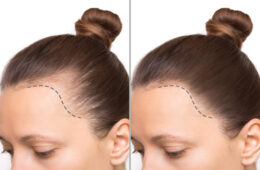
When people think about a hair transplant, they often focus on the number of grafts, the technique used (FUE or FUT), or the cost of the procedure. However, one critical factor determines whether your results appear natural or artificial — the hairline design.
A successful hair transplant is not just about growing hair; it’s about restoring a hairline that looks completely natural, age-appropriate, and in harmony with your facial features. Poor hairline planning can make even a technically perfect transplant look unnatural.
In this comprehensive guide, we explain why hairline design is the foundation of natural hair restoration and how expert planning ensures long-lasting, aesthetic results.
What Is Hairline Design?
Hairline design is the process of carefully planning and creating the frontal hairline prior to a hair transplant procedure. It involves:
- Determining the correct position of the hairline
- Designing natural curves and irregularities
- Matching density distribution
- Considering facial symmetry
- Planning future hair loss patterns
The hairline is the most visible part of your hair. It frames your face and significantly affects your appearance. Even minor errors in placement or density can make the transplant look unnatural.
Why Hairline Design Is the Most Important Step in a Hair Transplant
It Determines Natural Appearance
A natural hairline is never perfectly straight. It has soft irregularities and gradual density changes. If the hairline is designed too straight, too low, or too dense in the front, it can appear artificial.
Experienced surgeons understand how to replicate natural hair growth patterns for seamless results.
It Frames Your Face
The hairline defines facial proportions. A well-designed hairline enhances:
- Forehead balance
- Facial symmetry
- Youthful appearance
- Overall confidence
An incorrectly placed hairline can make the forehead look too small, too large, or disproportionate.
It Must Be Age-Appropriate
One of the biggest mistakes in hair transplantation is creating a hairline that is too low for the patient’s age.
For example:
- A 45-year-old should not have the same hairline as a 20-year-old.
- Hairlines naturally mature over time.
A good hair transplant restores a natural, mature hairline, not an unrealistic one.
It Preserves Donor Hair for the Future
Hair loss is progressive. If too many grafts are used in the front hairline without planning for future thinning, the result may look unbalanced later.
Proper hairline design considers:
- Future hair loss patterns
- Donor hair availability
- Long-term aesthetic balance
This ensures sustainable and natural results.
It Impacts Density Distribution
Natural hairlines are softer in the front and gradually increase in density moving backwards.
A skilled surgeon:
- Uses single-hair grafts in the frontal edge
- Places multiple hair grafts behind for volume
- Creates a soft, feathered transition
This layering technique prevents a “pluggy” appearance.
Key Elements of a Natural Hairline Design
1. Hairline Position
The placement depends on:
- Age
- Face shape
- Forehead height
- Existing hair pattern
An experienced specialist carefully measures and marks the hairline before surgery.
2. Natural Irregularity
Natural hairlines are not perfectly symmetrical. They have minor irregularities that make them realistic.
Too much symmetry = artificial look.
3. Proper Graft Selection
- Single-hair grafts for the front
- Double or triple grafts for density behind
This mimics natural growth patterns.
4. Correct Angulation and Direction
Hair does not grow straight upward. Each hair must be implanted at the correct angle and direction.
Improper angulation can ruin even the best-designed hairline.
Common Mistakes in Hairline Design
Unfortunately, not all clinics prioritise artistic hairline planning. Common mistakes include:
❌ Placing the hairline too low
❌ Creating a straight line without natural irregularity
❌ Using thick grafts at the front
❌ Ignoring future hair loss
❌ Overharvesting the donor area
These mistakes can lead to unnatural results that may require corrective surgery.
How Experts Design a Personalised Hairline
At professional clinics like Sano Clinics, hairline design is a detailed and customized process.
Step 1: Facial Analysis
Doctors evaluate:
- Face shape
- Bone structure
- Forehead size
- Existing hair pattern
Step 2: Hair Loss Pattern Assessment
Understanding the progression helps plan long-term results.
Step 3: Marking and Patient Approval
The proposed hairline is drawn and discussed with the patient before surgery.
Step 4: Strategic Graft Planning
Grafts are allocated carefully to ensure density balance and natural flow.
Hairline Design in FUE vs FUT
Both FUE (Follicular Unit Extraction) and FUT (Follicular Unit Transplantation) techniques rely heavily on proper hairline design.
The technique used is important, but the artistry of hairline creation plays a bigger role in natural results.
Even with advanced technology, poor design cannot be corrected easily.
Does Hairline Design Affect Hair Transplant Success?
Yes — significantly.
A technically successful transplant can still look unnatural if the hairline is poorly planned. On the other hand, even moderate graft numbers can produce excellent cosmetic results with proper design.
Hairline design impacts:
- Naturalness
- Long-term satisfaction
- Confidence
- Need for future correction.
How Hairline Design Influences Confidence
Hair loss often affects self-esteem. When the hairline is restored naturally:
- Patients look younger
- Facial proportions improve
- Social confidence increases
- Professional presence improves
A natural hairline should not look “transplanted.” It should look like you never lost hair in the first place.
Who Is a Good Candidate for Hairline Restoration?
You may benefit from professional hairline design if you have:
- Receding hairline
- Male pattern baldness
- Uneven frontal hairline
- High forehead
- Previous poor transplant
A consultation with a qualified specialist helps determine the right approach.
Recovery After Hairline Transplant
- Mild swelling (first few days)
- Scab formation (7–10 days)
- Temporary shedding (shock loss)
- New growth after 3–4 months
- Full results in 9–12 months
Proper aftercare ensures optimal growth and natural blending.
Why Experience Matters in Hairline Design
Hairline creation is both science and art. It requires:
- Technical expertise
- Aesthetic understanding
- Knowledge of hair growth patterns
- Long-term planning
Choosing an experienced team significantly reduces the risk of unnatural results.
Why Choose Sano Clinics for Hairline Design?
At Sano Clinics, we focus on:
✔ Personalised hairline planning
✔ Natural density distribution
✔ Advanced FUE techniques
✔ Long-term hair restoration strategy
✔ Expert-led procedures
We understand that your hairline defines your appearance. Our goal is to create results that look completely natural and age-appropriate.
Final Thoughts
Hair transplant success does not begin with graft extraction — it begins with hairline design.
A well-designed hairline:
- Enhances facial balance
- Looks natural
- Ages gracefully
- Preserves donor hair
- Boosts confidence
If you are considering a hair transplant, ensure your clinic prioritises hairline artistry as much as surgical precision.
Because in natural hair restoration, the hairline is everything.