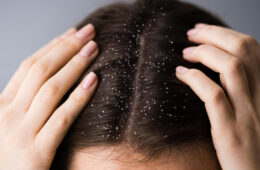
Dandruff is one of the most common scalp concerns affecting both men and women. White flakes on your shoulders, constant itching, greasy scalp, or tight dryness — these symptoms can be frustrating and embarrassing.
But here’s something many people don’t realise:
Not all dandruff is the same.
There are two main types — oily dandruff and dry dandruff — and understanding the difference is the key to choosing the right treatment.
At Sano Clinics, we frequently see patients who have been using the wrong products simply because they misidentified their dandruff type. In this detailed guide, we’ll explain the differences, causes, symptoms, and the most effective treatments for both oily and dry dandruff.
What Is Dandruff?
Dandruff is a scalp condition where dead skin cells are shed excessively, leading to visible flakes. While mild flaking is normal, excessive scaling with itching indicates a scalp imbalance.
Dandruff is not contagious, but it can affect your confidence and hair health if left untreated.
What Is Oily Dandruff?
Oily dandruff, also known as seborrheic dermatitis in severe cases, occurs when the scalp produces excess oil (sebum). This extra oil combines with dead skin cells and creates sticky, yellowish flakes.
Common Signs of Oily Dandruff:
- Yellow or greasy flakes
- Sticky scalp
- Itching with redness
- Flakes that cling to hair
- Greasy appearance even after washing
The scalp may feel heavy and uncomfortable.
What Is Dry Dandruff?
Dry dandruff occurs when the scalp lacks moisture. It leads to small, white flakes that fall easily onto your shoulders.
Common Signs of Dry Dandruff:
- Small, powdery white flakes
- Tight, dry scalp
- Mild itching
- Flakes worsen in winter.
- Hair may feel dry and brittle.
Dry dandruff is often mistaken for simple scalp dryness, but persistent flaking needs treatment.
Oily Dandruff vs Dry Dandruff: Key Differences
Feature | Oily Dandruff | Dry Dandruff |
Flake Type | Yellow, sticky | White, powdery |
Scalp Texture | Greasy | Dry, tight |
Itching | Moderate to severe | Mild to moderate |
Cause | Excess oil production | Lack of moisture |
Flake Size | Larger, clumpy | Small, fine |
Common Season | Year-round | Winter common |
Identifying the correct type is crucial because treatments differ significantly.
What Causes Oily Dandruff?
1. Excess Sebum Production
Overactive sebaceous glands produce too much oil.
2. Fungal Growth (Malassezia)
This yeast naturally lives on the scalp but thrives in oily environments, triggering inflammation and flakes.
3. Hormonal Imbalance
Hormonal changes can increase oil production.
4. Poor Hair Hygiene
Infrequent washing allows oil and dead skin to build up.
5. Stress
Stress increases oil secretion and worsens inflammation.
At Sano Clinics, we assess underlying triggers before recommending treatment.
What Causes Dry Dandruff?
1. Cold Weather
Low humidity strips moisture from the scalp.
2. Harsh Hair Products
Shampoos with strong chemicals can dry out the scalp.
3. Overwashing
Frequent washing removes natural oils.
4. Dehydration
Lack of water intake affects scalp hydration.
5. Skin Conditions
Conditions like eczema or psoriasis can mimic dry dandruff.
Understanding the root cause ensures effective treatment.
How to Identify Your Dandruff Type at Home
You can perform a simple check:
- If flakes are oily and stick to hair → likely oily dandruff.
- If flakes fall easily when you scratch → likely dry dandruff.
- If scalp feels greasy within a day of washing → oily type.
- If scalp feels tight and rough → dry type.
However, for an accurate diagnosis, a scalp analysis at Sano Clinics is recommended.
Best Treatments for Oily Dandruff
Oily dandruff requires controlling excess oil and fungal growth.
1. Medicated Anti-Dandruff Shampoos
Look for ingredients like:
- Ketoconazole
- Zinc pyrithione
- Selenium sulfide
- Salicylic acid
These reduce fungal growth and remove buildup.
2. Regular Washing
Wash 2–3 times per week to control oil.
3. Avoid Heavy Hair Oils
Excess oil worsens the condition.
4. Scalp Exfoliation
Professional scalp treatments remove buildup.
5. In-Clinic Scalp Detox at Sano Clinics
Advanced scalp therapies deeply cleanse and rebalance oil production.
Best Treatments for Dry Dandruff
Dry dandruff needs hydration and gentle care.
1. Moisturising Shampoos
Use sulfate-free, hydrating formulas.
2. Scalp Oils (Moderate Use)
Light oils like coconut or argan oil can help.
3. Hydrating Hair Masks
Improve scalp moisture barrier.
4. Avoid Hot Water
Hot showers worsen dryness.
5. Professional Hydration Therapy at Sano Clinics
We offer customised scalp hydration treatments for long-term relief.
Can Dandruff Cause Hair Loss?
Yes — indirectly.
Excessive scratching damages hair follicles. Chronic inflammation from untreated oily dandruff can weaken roots.
At Sano Clinics, early intervention prevents long-term hair thinning.
When Should You See a Specialist?
Consult a hair expert if:
- Dandruff persists for more than 4 weeks.
- Severe itching interferes with daily life.
- Red patches or thick scales develop.
- Hair fall increases significantly.
Self-treatment may not work in moderate to severe cases.
Lifestyle Changes That Help Both Types
1. Manage Stress
Stress worsens scalp conditions.
2. Eat a Balanced Diet
Include:
- Omega-3 fatty acids
- Zinc-rich food
- Vitamin B complex
- Protein
3. Stay Hydrated
Drink adequate water daily.
4. Avoid Excess Styling Products
Gels and sprays can clog scalp pores.
Advanced Dandruff Treatments at Sano Clinics
At Sano Clinics, we go beyond regular shampoos. Our treatments include:
- Scalp analysis with magnification
- Medicated scalp therapy
- Anti-fungal treatment plans
- PRP therapy for hair strengthening
- Personalised hair care routine guidance
We treat the root cause, not just the flakes.
Oily Dandruff vs Dry Dandruff: Which Is More Severe?
Oily dandruff is often more persistent and may progress to seborrheic dermatitis if untreated. Dry dandruff is usually seasonal and easier to manage.
However, both require proper care.
Prevention Tips
Oily dandruff is often more persistent and may progress to seborrheic dermatitis if untreated. Dry dandruff is usually seasonal and easier to manage.
However, both require proper care.
For Oily Dandruff:
- Wash regularly
- Avoid heavy oiling
- Maintain scalp hygiene
For Dry Dandruff:
- Use gentle shampoos
- Avoid excessive heat styling.
- Moisturise scalp regularly
Consistency is key for both types.
Conclusion
Understanding whether you have oily dandruff or dry dandruff is the first step toward effective treatment.
Using the wrong products can worsen the condition. At Sano Clinics, our specialists provide personalized diagnosis and targeted treatment plans to restore your scalp health safely and effectively.
If you are tired of flakes, itching, and embarrassment, it’s time to seek professional help.
Healthy scalp = Healthy hair.
Book Your Consultation at Sano Clinics
Don’t let dandruff affect your confidence. Visit Sano Clinics for expert scalp evaluation and advanced treatment options tailored to your needs.
Clear scalp. Strong hair. Renewed confidence.
If you’re considering laser hair removal for the bikini area, consult the experts at Sano Clinics today. Our team will evaluate your skin type, discuss expectations, and create a customised treatment plan for safe and effective results.
Smooth, irritation-free skin is possible — safely and confidently.