Hair fall, dullness, dryness, and slow hair growth are common concerns today, and Vitamin E is often promoted as a “magic solution” for all hair problems. From capsules applied directly to the scalp to oils and supplements, Vitamin E is widely used—but is it really effective, and is it always safe?
The truth lies somewhere in between hype and science.
In this detailed guide, we explain:
- What Vitamin E actually does for hair
- Real benefits backed by science
- Common myths and mistakes
- Side effects you should know
- The right way to use Vitamin E for hair health
What Is Vitamin E?
Vitamin E is a fat-soluble antioxidant that protects cells from oxidative stress caused by free radicals. It plays a key role in:
- Skin health
- Immune function
- Blood circulation
When it comes to hair, Vitamin E supports the scalp environment, which indirectly improves hair strength and growth.
Why Is Vitamin E Important for Hair Health?
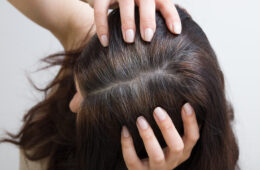
Healthy hair starts with a healthy scalp. Vitamin E helps by:
- Improving blood circulation to the scalp
- Reducing oxidative stress on hair follicles
- Supporting scalp hydration
- Protecting hair proteins from damage
However, it is important to understand that Vitamin E does not directly regrow hair follicles—it supports hair health, not hair creation.
Benefits of Vitamin E for Hair
1. Reduces Hair Breakage
Vitamin E strengthens the lipid layer of hair strands, making them less prone to breakage caused by:
- Dryness
- Heat styling
- Environmental pollution
This results in smoother, stronger hair over time.
2. Improves Scalp Circulation
Vitamin E helps improve blood flow, ensuring better oxygen and nutrient delivery to hair follicles.
Better circulation = healthier scalp
Healthier scalp = improved hair quality
3. Reduces Oxidative Stress on Hair Follicles
Free radicals damage hair follicles and accelerate hair thinning. Vitamin E neutralizes these free radicals, helping slow down hair damage.
This is especially helpful for:
- Premature hair aging
- Pollution-related hair damage
4. Adds Shine and Softness
Vitamin E smoothens the hair cuticle, reducing frizz and improving shine. This is why it’s commonly found in hair serums and conditioners.
5. Supports Scalp Moisture Balance
For people with dry scalp, Vitamin E helps:
- Reduce flakiness
- Improve moisture retention
- Prevent scalp tightness
However, it may worsen an oily or acne-prone scalp if misused.
Can Vitamin E Help with Hair Growth?
The Honest Answer: Indirectly
Vitamin E:
- Improves scalp health
- Reduces follicle stress
- Prevents hair breakage
But it does not stimulate new hair growth in conditions like:
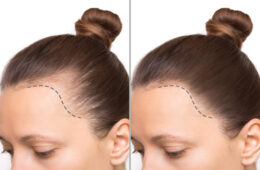
- Male or female pattern baldness
- Advanced hair thinning
- Hormonal hair loss
In such cases, medical treatments such as Minoxidil, PRP, or GFC therapy are required.
Vitamin E for Different Hair Concerns
Vitamin E for Hair Fall
Helpful for hair fall due to dryness, stress, or poor nutrition
Not effective for genetic or hormonal hair loss
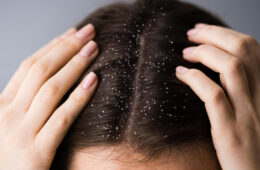
Vitamin E for Dandruff
Helps mild dryness-related flakes
Does not treat fungal dandruff (needs medicated shampoo)
Vitamin E for Split Ends
Improves hair texture
Cannot repair existing split ends (trimming is required)
Side Effects of Vitamin E for Hair
Vitamin E is often considered harmless, but misuse can cause problems.
1. Scalp Acne and Folliculitis
Applying Vitamin E capsules directly to the scalp can:
- Clog hair follicles
- Cause scalp pimples
- Trigger itching
Especially common in oily scalp types.
2. Increased Hair Fall (Temporary)
Excessive oil application can weigh hair down, leading to increased shedding during washing.
3. Allergic Reactions
Some people experience:
- Redness
- Itching
- Burning sensation
Always do a patch test before use.
4. Side Effects of Oral Vitamin E Supplements
Excessive intake may cause:
- Headache
- Nausea
- Increased bleeding risk
Never take supplements without medical advice.
Common Myths About Vitamin E for Hair
Vitamin E can regrow lost hair.”
False. It supports existing hair, not new follicle growth.
“More Vitamin E gives faster results.”
Excess causes side effects, not better hair.
“Capsules are better than oils.”
Both work similarly when used correctly.
The Right Way to Use Vitamin E for Hair
1. Topical Application (Safe Method)
Mix Vitamin E oil with:
- Coconut oil
- Almond oil
- Olive oil
Apply to the scalp and hair.
Massage gently
Leave for 30–60 minutes.
Wash with mild shampoo.
Frequency: Once a week
2. Vitamin E in Hair Products
Using shampoos, conditioners, and serums with Vitamin E is a safe and effective option for regular use.
3. Oral Vitamin E (Only If Needed)
Only take supplements if:
- Prescribed by a doctor
- Deficiency is confirmed
Diet is always the best source.
Best Natural Sources of Vitamin E
Include these foods for healthy hair:
- Almonds
- Sunflower seeds
- Spinach
- Avocados
- Peanuts
- Wheat germ oil
Balanced nutrition shows better results than topical use alone.
Who Should Avoid Vitamin E for Hair?
Avoid or use cautiously if you have:
- Oily or acne-prone scalp
- Active scalp infections
- Hair loss due to hormonal or genetic reasons. I’m continuing the same article seamlessly below.
Who Should Avoid Vitamin E for Hair?
Avoid or use Vitamin E cautiously if you have:
- Oily or acne-prone scalp
- Active scalp infections
- Hair loss due to hormonal or genetic causes
- History of allergies to oils or capsules
In such cases, using Vitamin E without guidance may worsen the problem rather than improve it.
Vitamin E vs Medical Hair Treatments
Many people delay effective treatment by relying only on Vitamin E. Here’s a realistic comparison:
Concern | Vitamin E | Medical Treatments |
Dryness & dullness | ✅ Effective | Not required |
Hair breakage | ✅ Helpful | Optional |
Pattern hair loss | ❌ Not effective | ✅ Required |
Severe hair thinning | ❌ Not effective | ✅ PRP/GFC/Minoxidil |
Scalp health | ✅ Supportive | ✅ Combined approach |
How Long Does Vitamin E Take to Show Results?
- Improved softness: 2–3 weeks
- Reduced dryness: 3–4 weeks
- Reduced breakage: 6–8 weeks
If there’s no improvement after 2 months, the issue is unlikely to be Vitamin E–related.
When Should You See a Dermatologist for Hair Issues?
Consult a dermatologist if:
- Hair fall is sudden or excessive.
- Hair thinning is increasing.
- Scalp itching or pimples persist.
- Home remedies show no results.
Early diagnosis prevents permanent hair loss.
Final Thoughts
Vitamin E is beneficial for hair health, but it is not a miracle cure. It improves scalp condition, reduces dryness, and protects hair from damage—but it cannot reverse genetic or hormonal hair loss.
The key is correct usage, moderation, and realistic expectations. Combine Vitamin E with proper nutrition, gentle hair care, and medical advice when needed for long-lasting results.
Healthy hair grows from knowledge, not myths.