Skin is the largest organ of the human body and acts as the first line of defense against infections, pollution, and environmental damage. Because it is constantly exposed to internal and external factors, the skin is vulnerable to a wide range of conditions known as skin diseases.
Skin diseases can affect people of all ages—from infants to the elderly—and may appear suddenly or develop slowly over time. Some conditions are mild and temporary, while others are chronic and require long-term management. Understanding skin diseases helps in early diagnosis, effective treatment, and prevention of complications.
This comprehensive guide explains skin diseases in a simple, easy-to-understand way, covering their causes, symptoms, common types, treatment options, and prevention tips.
What Are Skin Diseases?
Skin diseases are conditions that affect the skin, hair, nails, or mucous membranes. These conditions may alter the appearance, texture, color, or sensation of the skin.
Skin diseases can be broadly classified as:
- Acute or chronic
- Infectious or non-infectious
- Inflammatory, autoimmune, or genetic
Some skin conditions resolve with basic care, while others need medical intervention from a dermatologist.
Why Skin Health Is Important
Healthy skin is essential not just for appearance but also for overall health. Skin:
- Protects the body from bacteria and viruses
- Regulates body temperature
- Prevents dehydration
- Plays a role in vitamin D production
When the skin barrier is damaged, it becomes easier for infections and inflammation to occur.
Common Causes of Skin Diseases
Skin diseases can develop due to multiple factors that often work together.
1. Infections
Infectious skin diseases are caused by microorganisms such as:
- Bacteria (e.g., boils, impetigo)
- Fungi (e.g., ringworm, athlete’s foot)
- Viruses (e.g., warts, herpes)
- Parasites (e.g., scabies)
These infections may spread through direct contact, contaminated surfaces, or poor hygiene.
2. Allergies and Sensitivities
Skin allergies occur when the immune system reacts to substances like:
- Soaps and detergents
- Cosmetics
- Metals (nickel)
- Medications
- Certain foods
This reaction often results in rashes, itching, redness, or swelling.
3. Autoimmune Conditions
In autoimmune skin diseases, the immune system mistakenly attacks healthy skin cells. Examples include:
- Psoriasis
- Lupus
- Pemphigus
These conditions are usually chronic and require long-term management.
4. Hormonal Imbalances
Hormonal changes during puberty, pregnancy, menstrual cycles, or medical conditions can trigger:
- Acne
- Pigmentation
- Excess oil production
5. Genetic Factors
Some skin diseases run in families. If a close relative has a particular condition, the risk may be higher.
6. Environmental Factors
External factors that damage the skin include:
- Excessive sun exposure
- Pollution
- Extreme cold or heat
- Chemicals
7. Lifestyle and Skincare Habits
Poor habits such as:
- Skipping sunscreen
- Using harsh products
- Inadequate hydration
- Smoking and stress
can worsen or trigger skin conditions.
Common Symptoms of Skin Diseases
Skin diseases can present in many ways. The most common symptoms include:
- Redness or inflammation
- Persistent itching
- Rashes or patches
- Dry, scaly, or flaky skin
- Blisters or ulcers
- Pain, burning, or tenderness
- Skin thickening
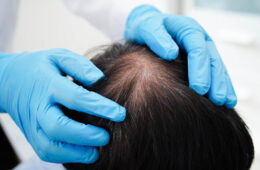
- Hair loss or nail changes
Any skin change lasting longer than 2 weeks should be evaluated by a dermatologist.
Types of Skin Diseases
1. Acne
Acne is one of the most common skin conditions, affecting adolescents and adults.
Causes:
- Excess oil production
- Blocked hair follicles
- Bacterial growth
- Hormonal fluctuations
Symptoms:
- Pimples
- Blackheads and whiteheads
- Painful cysts or nodules
Treatment Options:
- Topical creams and gels
- Oral medications
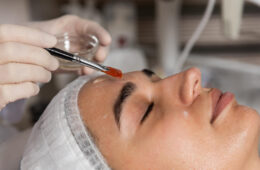
- Chemical peels
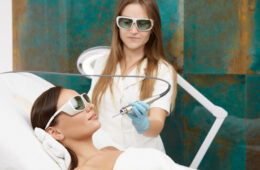
- Laser and light therapies
2. Eczema (Atopic Dermatitis)
Eczema is a chronic inflammatory condition that causes dry and itchy skin.
Triggers:
- Allergens
- Stress
- Weather changes
- Harsh soaps
Symptoms:
- Dry, cracked skin
- Severe itching
- Red or inflamed patches
Treatment:
- Moisturizers
- Anti-inflammatory creams
- Avoiding triggers
3. Psoriasis
Psoriasis is an autoimmune skin disorder characterized by rapid skin cell turnover.
Symptoms:
- Thick, silvery scales
- Red patches
- Itching or pain
Commonly Affected Areas:
- Scalp
- Elbows
- Knees
- Lower back
Treatment:
- Topical medications
- Phototherapy
- Oral or injectable medications
4. Fungal Skin Infections
Fungal infections are very common, especially in warm and humid climates.
Examples:
- Ringworm
- Athlete’s foot
- Jock itch
Symptoms:
- Itching
- Red, circular rashes
- Scaling
Treatment:
- Antifungal creams
- Oral antifungal medications
- Proper hygiene
5. Bacterial Skin Infections
Bacterial infections often occur through cuts or wounds.
Examples:
- Impetigo
- Cellulitis
- Boils
Treatment:
- Antibiotics
- Proper wound care
6. Viral Skin Diseases
Viruses can cause various skin conditions.
Examples:
- Warts
- Herpes simplex
- Chickenpox
Treatment:
- Antiviral medications
- Symptom relief
7. Pigmentation Disorders
Pigmentation disorders affect skin color.
Common Conditions:
- Melasma
- Vitiligo
- Post-inflammatory hyperpigmentation
Treatment:
- Topical creams
- Chemical peels
- Laser therapy
8. Skin Allergies and Contact Dermatitis
Caused by direct contact with irritants or allergens.
Symptoms:
- Redness
- Swelling
- Itching or blisters
Treatment:
- Avoiding triggers
- Anti-allergy medications
How Are Skin Diseases Diagnosed?
Dermatologists diagnose skin diseases using:
- Visual examination
- Detailed medical history
- Patch testing for allergies
- Blood tests when needed
- Skin biopsy in rare cases
Accurate diagnosis ensures correct treatment.
Treatment Options for Skin Diseases
Treatment depends on the type and severity of the condition.
1. Topical Treatments
Creams, ointments, and lotions are commonly used for mild to moderate skin diseases.
2. Oral Medications
Prescribed for severe infections, autoimmune diseases, or widespread conditions.
3. Light and Laser Therapy
Used for psoriasis, pigmentation, acne, and certain chronic conditions.
4. Lifestyle and Skincare Modifications
Proper skincare routines and lifestyle changes play a major role in long-term control.
Prevention of Skin Diseases
Not all skin diseases can be prevented, but many can be managed with healthy habits.
Prevention Tips:
- Maintain personal hygiene
- Use sunscreen daily
- Moisturize regularly
- Avoid harsh chemicals
- Eat a balanced diet
- Manage stress
- Avoid sharing towels and personal items.
When Should You See a Dermatologist?
Seek professional help if:
- Symptoms persist or worsen.
- Pain, pus, or fever develops.
- Over-the-counter treatments fail
- Skin disease affects daily life or confidence.
Early treatment prevents complications.
Frequently Asked Questions
Are skin diseases contagious?
Some skin diseases are contagious, while others are not.
Can skin diseases be cured permanently?
Some can be cured, while chronic conditions can be controlled with treatment.
Does diet affect skin health?
Yes, nutrition plays a key role in skin repair and immunity.
Can stress worsen skin diseases?
Yes, stress is a known trigger for many skin conditions.
Final Thoughts
Skin diseases are common and affect people of all ages. With early diagnosis, proper treatment, and good skincare habits, most skin conditions can be effectively managed. Ignoring symptoms may lead to complications, while timely care improves both skin health and quality of life.
Healthy skin reflects overall well-being. If you notice persistent or unusual skin changes, consulting a qualified dermatologist is always the best step toward healthy, confident skin.