Stretch marks are one of the most common skin concerns affecting both men and women. They often appear suddenly and can be frustrating, especially when they develop in visible areas like the abdomen, thighs, arms, hips, or breasts. While stretch marks are completely harmless, many people seek treatment to improve their appearance and regain confidence.
If you are wondering whether stretch marks can be removed permanently, the honest answer is: they can’t be erased completely, but modern dermatological treatments can significantly fade them and improve skin texture.
This detailed guide explains everything you need to know about stretch marks, including their causes, types, best medical treatments, costs, and proven prevention tips.
What Are Stretch Marks?
Stretch marks, medically known as striae, are long, narrow streaks or lines that form on the skin when it stretches or shrinks rapidly. This sudden change causes the middle layer of the skin (dermis) to tear, resulting in visible marks on the surface.
Stretch marks are not a disease and do not cause pain, but they may cause itching or discomfort in the early stages.
Common Areas Where Stretch Marks Appear
Stretch marks commonly occur in areas where fat storage or rapid growth happens, such as:
- Abdomen
- Thighs
- Hips
- Buttocks
- Breasts
- Upper arms
- Lower back
What Causes Stretch Marks?
Stretch marks develop when the skin is unable to adapt quickly to sudden changes. The most common causes include:
1. Pregnancy
Pregnancy is the leading cause of stretch marks, especially during the second and third trimesters. Hormonal changes and rapid abdominal expansion reduce skin elasticity, increasing the likelihood of stretch marks.
2. Rapid Weight Gain or Weight Loss
Sudden changes in body weight stretch the skin quickly, leading to tearing of collagen and elastin fibers.
3. Puberty
During puberty, rapid growth spurts can cause stretch marks, especially on the thighs, hips, breasts, and back.
4. Bodybuilding and Muscle Growth
Rapid muscle growth from intense workouts can stretch the skin beyond its limits, leading to stretch marks on the arms, shoulders, and chest.
5. Hormonal Imbalance
Excess cortisol (a stress hormone) weakens collagen fibers, making the skin more prone to stretch marks.
6. Genetics
If stretch marks run in your family, you may be more prone to developing them.
Types of Stretch Marks
Understanding the type of stretch mark helps determine the best treatment.
1. Red or Purple Stretch Marks (Striae Rubra)
- New stretch marks
- Appear red, pink, or purple.
- Respond better to treatment.
2. White or Silver Stretch Marks (Striae Alba)
- Older stretch marks
- It appears white or silvery.
- More difficult to treat but still improvable
Can Stretch Marks Be Removed Permanently?
The Truth:
Stretch marks cannot be completely removed, but their appearance can be improved by 60–80% with the right treatments.
Early treatment gives better results, especially when stretch marks are still red or purple.
Best Treatments for Stretch Marks
1. Topical Creams and Ointments
Best for: Early stretch marks
Common ingredients include:
- Retinoids (not during pregnancy)
- Hyaluronic acid
- Vitamin C
- Peptides
These improve skin hydration and collagen production but have a limited effect on old stretch marks.
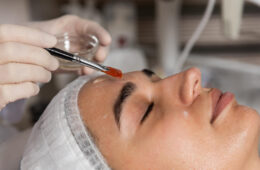
2. Chemical Peels
Chemical peels exfoliate the top layer of skin and stimulate collagen production.
Benefits:
- Improves skin texture
- Reduces pigmentation
- Enhances skin tone
Multiple sessions are required for visible improvement.
3. Microneedling (Dermaroller / RF Microneedling)
One of the most effective treatments for stretch marks
Microneedling creates controlled micro-injuries in the skin, stimulating collagen and elastin production.
Benefits:
- Improves skin thickness
- Reduces the depth of stretch marks
- Suitable for all skin types
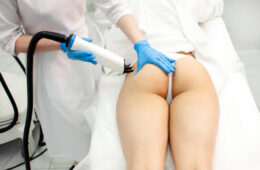
4. Laser Treatment for Stretch Marks
Laser therapy is highly effective for both red and white stretch marks.
Common lasers used:
- Fractional CO₂ laser
- Erbium laser
- Pulsed dye laser (for red stretch marks)
Benefits:
- Improves texture and color
- Tightens skin
- Long-lasting results
5. PRP Therapy (Platelet-Rich Plasma)
PRP uses growth factors from your own blood to enhance skin healing and collagen formation. It is often combined with microneedling or lasers for better results.
6. Radiofrequency (RF) Treatments
RF energy heats the deeper layers of skin, stimulating collagen production and improving skin elasticity.
Cost of Stretch Mark Treatments in India
Treatment | Approximate Cost per Session |
Topical Treatments | ₹1,500 – ₹3,000 |
Chemical Peels | ₹3,000 – ₹6,000 |
Microneedling | ₹5,000 – ₹10,000 |
RF Microneedling | ₹8,000 – ₹15,000 |
Laser Treatment | ₹12,000 – ₹30,000 |
PRP Therapy | ₹6,000 – ₹12,000 |
Costs vary depending on the area treated, severity, and clinic expertise
How Many Sessions Are Required?
Most patients need:
- 3–6 sessions for moderate stretch marks
- 6–8 sessions for deeper or older marks
Sessions are spaced 4–6 weeks apart.
Home Care Tips to Improve Stretch Marks
While home remedies cannot remove stretch marks, they help support treatment results.
Effective Home Care:
- Moisturize daily
- Use sunscreen on exposed areas.
- Stay hydrated
- Maintain a stable weight
- Eat collagen-boosting foods (vitamin C, protein)
Stretch Mark Prevention Tips
You may not always be able to prevent stretch marks, but you can reduce the risk.
- Moisturize skin regularly
- Gain or lose weight gradually.
- Stay hydrated
- Follow a balanced diet.
- Use pregnancy-safe creams during pregnancy.
When Should You See a Dermatologist?
Consult a dermatologist if:
- Acne is painful or cystic.
- Breakouts leave scars
- OTC products don’t work
- Acne worsens despite routine.
Professional guidance prevents permanent scarring.
Frequently Asked Questions
Are stretch marks harmful?
No, stretch marks are harmless and not a medical problem.
Can men get stretch marks?
Yes, stretch marks affect both men and women.
Do stretch marks fade over time?
Yes, they may fade naturally, but usually do not disappear completely.
Which treatment works best?
Laser treatments and microneedling offer the most effective results.
Final Thoughts
Stretch marks are extremely common and completely normal. While they cannot be erased permanently, advanced dermatological treatments can significantly improve their appearance and texture. The key is early intervention, consistency, and professional guidance.
Healthy skin is about acceptance and care. If stretch marks bother you, consult a dermatologist to explore the best treatment options tailored to your skin type and goals.