Welcoming a baby is one of life’s most joyous moments, but for many women, it comes with an unexpected side effect: hair thinning or excessive hair fall. Known as postpartum hair loss, this condition can be distressing, especially when you are already adjusting to a newborn’s routine.
Hair is often considered a symbol of beauty and confidence, and losing it—even temporarily—can affect your self-esteem. The good news is that postpartum hair fall is usually temporary, and with proper care and treatment, you can restore your hair’s health and thickness. Clinics like Sano Clinics offer modern, safe, and effective solutions for women experiencing postpartum hair fall, including GFC (Growth Factor Concentrate) therapy, PRP, and other hair restoration treatments.
In this comprehensive guide, we’ll cover everything you need to know about postpartum hair fall, including why it happens, how long it lasts, treatment options, preventive measures, and when to consult a specialist.
What Is Postpartum Hair Fall?
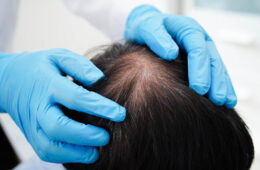
Postpartum hair fall, also called telogen effluvium, is a type of temporary hair shedding that occurs after pregnancy. Many women notice increased hair in their brush, pillow, or shower drain around 2–6 months after childbirth.
During pregnancy, estrogen levels rise, prolonging the hair’s growth phase (anagen phase). This is why many women experience thicker, fuller hair during pregnancy. After delivery, estrogen levels drop, and a large number of hair follicles enter the shedding phase (telogen phase), causing noticeable hair loss.
Although it can be alarming to see your hair shedding, it is a natural physiological response, and for most women, hair regrowth begins within 6–12 months.
Why Does Postpartum Hair Fall Happen?
Several factors contribute to postpartum hair loss:
1. Hormonal Changes
- Pregnancy causes a rise in estrogen, prolonging hair growth.
- After childbirth, estrogen levels drop rapidly, causing hair follicles to enter the shedding phase.
- Hormonal fluctuations from thyroid imbalances or PCOS can also worsen hair fall.
2. Stress
- Emotional stress, fatigue, and sleep deprivation common in new mothers can trigger hair shedding.
- Stress can also worsen existing hair thinning conditions.
3. Nutritional Deficiencies
- Iron, zinc, vitamin D, and protein deficiencies after pregnancy can weaken hair.
- Proper nutrition is critical to maintain hair strength and promote regrowth.
4. Medical Conditions
- Thyroid disorders or postpartum thyroiditis may contribute to hair loss.
- Certain medications taken postpartum can also have hair shedding as a side effect.
5. Genetics
- Women with a family history of hair thinning may experience more pronounced postpartum hair fall.
Understanding these factors helps women choose the most suitable treatment and prevent excessive hair loss.
Signs You Should Consult a Specialist
While postpartum hair loss is generally temporary, you should consult a hair specialist if:
- Hair shedding continues beyond 12 months
- Hair loss is patchy or uneven
- You notice scalp irritation, redness, or itching
- Hair does not regrow naturally after a year
A dermatologist or trichologist at Sano Clinics can evaluate your scalp, identify the underlying cause, and recommend the best treatment plan.
Effective Treatments for Postpartum Hair Fall
Although hair often regrows naturally, certain treatments can accelerate regrowth, strengthen hair, and reduce shedding.
1. Nutritional Support
- A balanced diet is essential for healthy hair.
- Include protein-rich foods, leafy greens, nuts, seeds, and fruits.
- Supplements like iron, biotin, vitamin D, and zinc may be recommended if deficiencies are detected.
2. Topical Treatments
- Minoxidil is an FDA-approved topical treatment that stimulates hair growth.
- It strengthens hair follicles and improves density when used under expert guidance.
3. PRP (Platelet-Rich Plasma) Therapy
- PRP uses growth factors from your own blood to reactivate dormant hair follicles.
- Safe, minimally invasive, and effective for postpartum women.
4. GFC (Growth Factor Concentrate) Therapy
- GFC is a more advanced treatment than PRP, with higher growth factor concentration.
- Promotes faster regrowth, improves thickness, and strengthens existing hair.
- Ideal for women with early thinning or moderate postpartum hair fall.
5. Low-Level Laser Therapy
- Non-invasive treatment using laser light to improve blood flow to hair follicles.
- Strengthens hair roots and reduces hair fall over time.
6. Lifestyle Adjustments
- Reduce stress with yoga, meditation, or light exercise.
- Avoid tight hairstyles, heat styling, and harsh chemicals.
- Practice gentle hair care, using wide-toothed combs and mild shampoos.
How Long Does Postpartum Hair Fall Last?
- Hair loss usually peaks 3–4 months postpartum.
- Natural hair regrowth typically begins within 6–12 months.
- With treatments like PRP or GFC, hair density can improve sooner, and shedding reduces significantly.
GFC vs PRP: What’s the Difference?
- Balanced Diet: Eat foods rich in protein, vitamins, and minerals.
- Stay Hydrated: Water supports overall hair and scalp health.
- Avoid Stress: Prioritize rest, meditation, and self-care.
- Gentle Hair Care: Avoid tight ponytails, braids, or harsh styling tools.
- Regular Checkups: Visit a hair specialist for guidance and treatment if shedding is excessive.
GFC vs PRP for Postpartum Hair Fall
Many women wonder whether PRP or GFC is better after childbirth. Both are effective, but there are differences:
Feature | GFC | PRP |
Growth Factor Concentration | High, stronger stimulation | Moderate, standard effect |
Hair Regrowth Speed | Faster results | Gradual improvement |
Ideal Candidates | Women with early thinning or moderate hair fall | Mild postpartum shedding |
Procedure | Advanced centrifugation for higher potency | Standard centrifugation |
At Sano Clinics, GFC is often preferred for postpartum hair fall due to its ability to improve hair thickness and reduce shedding faster.
Patient Success Stories
Q1. Is postpartum hair loss permanent?
A1. No, most women naturally recover within 6–12 months. Treatments can help accelerate regrowth.
Q2. Can I use chemical treatments or dyes postpartum?
A2. Avoid harsh chemicals until hair regrows fully. Mild coloring under expert supervision is safe.
Q3. When should I consult a hair specialist?
A3. If hair loss is excessive, patchy, or persistent, or you notice scalp issues, consult a specialist.
Q4. Are PRP and GFC safe after childbirth?
A4. Yes. Both are minimally invasive and use your own blood, making them safe and effective.
Q5. How soon will I see visible results?
A5. Hair fall reduction may be noticed in 3–4 weeks, with thicker hair in 3–4 months.
FAQs
Q1. Is GFC Hair Treatment painful?
Most patients feel only mild discomfort. A numbing cream can make the procedure almost painless.
Q2. Can it prevent further hair fall?
Yes, GFC strengthens hair follicles and helps reduce shedding.
Q3. How long do the results last?
With regular maintenance, results can last months to years.
Q4. Is it suitable for postpartum hair loss?
Absolutely! GFC helps stimulate follicles weakened after pregnancy, promoting regrowth.
Q5. How soon will I see visible results?
Hair fall reduction can be noticed in 3–4 weeks, with visible density improvement in 3–4 months.
Why Choose Sano Clinics for GFC Hair Treatment?
Sano Clinics is trusted by women for hair restoration because:
- Experienced dermatologists and trichologists
- Advanced scalp analysis and diagnostic tools
- Personalised treatment plans tailored to each patient
- Hygienic and comfortable clinic environment
- Proven results with satisfied patients
At Sano Clinics, every woman receives expert care and customised solutions to help restore healthier, thicker hair.
Conclusion
Hair loss in women is common but treatable. GFC Hair Treatment is a safe, effective, and non-surgical option that strengthens hair, reduces hair fall, and improves overall density and health.
If you are experiencing hair thinning or hair fall, consulting the experts at Sano Clinics is the first step toward regaining your hair confidence. With proper evaluation, personalised treatment, and expert care, you can enjoy fuller, healthier, and more beautiful hair.
Take the first step today: Book a consultation at Sano Clinics and discover how GFC Hair Treatment can help you achieve the hair you’ve always wanted.