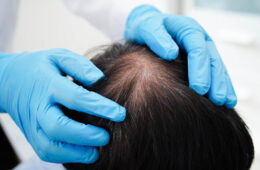
Hair loss affects millions of people worldwide — and while traditional hair transplant techniques like FUT and FUE have helped many regain their hairline, there’s a transformative solution emerging stronger than ever before: Body Hair Transplant (BHT).
In 2026, advancements in BHT are redefining possibilities for individuals with limited donor hair, extensive baldness, or those seeking a more natural aesthetic. Particularly, beard and chest hair harvesting has become a cornerstone of modern scalp restoration.
In this comprehensive guide, we explore everything you need to know about BHT — how it works, why beard and chest hair are such powerful donor sources, the latest techniques at Sano Clinics, potential outcomes, who’s a good candidate, aftercare, pricing, and results you can trust.
What Is Body Hair Transplant (BHT)?
Body Hair Transplant (BHT) is a hair restoration procedure that involves harvesting hair from parts of the body other than the scalp — such as the beard, chest, back, abdomen, arms, or legs — and transplanting it to areas of hair loss on the scalp.
Unlike traditional scalp-to-scalp FUE, BHT uses non-scalp donor hair, making it ideal for:
- Patients with limited donor hair on the scalp
- Individuals with advanced baldness
- Those who want denser and more natural results
While BHT has been practised for years, 2026 brings precision tools, improved harvesting, and natural outcome techniques that maximise survival rate, hair direction, and growth.
Why Beard & Chest Hair Are Powerful Donor Sources
Among all body hair zones, the beard and chest are the most effective sources for BHT. Here’s why:
Beard Hair
- High Density: Beard hair offers a rich donor supply — especially in individuals with thick facial hair.
- Strong Root Strength: Beard follicles are robust and more resilient, often resulting in better growth after transplantation.
- Texture Variability: The range of textures (from coarse to medium) helps mimic natural scalp hair when skillfully matched.
Chest Hair
- Uniform Distribution: Chest hair can provide a large volume of donor follicles.
- Excellent Coverage for Diffuse Loss: Great for filling areas with sparse hair or framing previously transplanted zones.
- Good Blend with Scalp Texture: Ideal for use with scalp donor hair for seamless results.
Together, beard and chest hair dramatically expand treatment possibilities — especially for patients with limited scalp donor reserves.
Who Is a Good Candidate for BHT?
Although Body Hair Transplant is versatile, certain criteria help determine candidacy:
Ideal Candidates
✅ Those with severe hair loss (Norwood 5–7)
✅ Individuals with previous failed transplants due to donor shortage
✅ People with thin or weak scalp donor hair
✅ Patients wanting increased density
Candidates Requiring Caution
Very fine or sparse body hair
Improper expectations about texture differences
Skin conditions affecting hair growth
At Sano Clinics, every patient undergoes a thorough evaluation — including hair mapping, scalp assessments, blood work, and personalised planning — to ensure the highest possibility of success.
BHT vs Traditional FUE: What’s the Difference?
Feature | Traditional FUE | BHT (Body Hair Transplant) |
Donor Source | Scalp only | Beard, Chest, Body areas |
Number of Grafts Possible | Limited by scalp density | Much higher |
Ideal For | Mild to moderate hair loss | Severe hair loss & limited scalp donors |
Harvest Technique | Standard punch tool | Specialized extraction tools |
Growth Rate | High (scalp hair) | Moderate (varies by body area) |
While traditional FUE remains the gold standard for most patients, BHT expands possibilities where scalp donor supply falls short.
Advanced BHT Techniques in 2026
BHT success is not just about harvesting body hair — it’s about HOW the hair is harvested, preserved, and implanted. Sano Clinics uses cutting-edge protocols backed by research and years of clinical experience.
a) Precision Extraction Tools
Modern tools allow ultra-fine extraction under microscopic control, minimising damage to follicles. This increases graft survival and reduces scarring.
b) Directional Implantation for Natural Growth Patterns
Beard and chest hair grafts have unique growth directions. Expert surgeons carefully angle each graft to mimic natural scalp hair patterns — especially in the hairline, temples, and crown.
c) Combined Donor Strategy
In many cases, the best results come from combining scalp donor hair with body hair. For example:
- Scalp hair for frontal hairline and fine-texture areas
- Beard hair for mid-scalp density
- Chest hair for broad coverage
This hybrid strategy creates full, natural, and balanced results.
d) Graft Preservation Protocols
State-of-the-art solutions and temperature-controlled environments keep grafts viable outside the body. This increases yield and long-term growth.
e) Robotic and AI-Assisted Planning
Some of the most advanced clinics now use AI to map follicles and optimise placement — reducing guesswork and enhancing density planning.
Procedure Walkthrough: What to Expect
Understanding the process helps you prepare mentally and physically.
Step 1: Consultation & Scalp Assessment
Patients receive:
- Hair density mapping
- Donor area evaluation
- Digital imaging simulation
- Personalized plan
Step 2: Donor Harvesting
✔ Beard hair extracted using fine punch tools
✔ Chest hair harvested carefully to preserve follicle integrity
✔ Use of local anaesthesia for comfort
Step 3: Graft Preparation
Grafts are sorted and stored in optimised solutions to preserve health before implantation.
Step 4: Implantation
Surgeons create ultra-fine incisions at precise angles. The BHT grafts are inserted with attention to growth direction, depth, and density.
Step 5: Post-Procedure Care
Patients receive:
- Antibiotics to prevent infection
- Pain management
- Growth-stimulating serums
- Detailed aftercare instructions
7. Recovery & Aftercare: Best Practices
Recovery from BHT is similar to traditional FUE, but with some specific points:
First 7–10 Days
Small scabs at the recipient and donor sites
Mild redness or swelling
Minimal discomfort
2–3 Weeks Post Surgery
Transplanted hair may shed — this is normal.
New growth usually starts around 3–4 months.
Tips for Faster Healing
✔ Keep the surgical area clean
✔ Avoid strenuous workouts for 2–3 weeks
✔ Sleep with head elevated first week
✔ Use prescribed serums and supplements
Expected Results & Timeline
BHT results unfold progressively:
Month 1–3: Initial shedding
Month 4–6: New hair begins to emerge
Month 9–12: Noticeable improvement
12–18 Months: Full growth and density
Patient outcomes vary slightly based on:
- Hair type
- Donor area quality
- Age and genetics
- Aftercare compliance
At Sano Clinics, before-and-after portfolios demonstrate the transformative potential of BHT — from soft hairlines to renewed confidence.
Potential Risks & How They Are Minimised
Though BHT is generally safe, being informed helps set realistic expectations.
Minor Risks
✔ Redness and swelling
✔ Temporary numbness
✔ Mild discomfort
Less Common Risks
- Uneven growth or texture mismatch
- Improper angulation
- Shock loss (temporary thinning)
Risk Prevention at Sano Clinics
- Experienced surgical team specialising in BHT
- Advanced extraction and implantation techniques
- Personalised planning for hair direction and density
- Post-procedure monitoring
Beard vs Chest Hair — Which Is Better?
Both donor sources have unique benefits:
Beard Hair
- More robust and thicker
- Ideal for areas requiring a strong presence
- Better survival rate in many cases
Chest Hair
- Softer texture than beard hair
- Produces a softer blend when mixed with scalp hair
- Great for extensive coverage
Often, a hybrid approach combining both yields the best aesthetic outcome.
How Much Does BHT Cost in 2026?
Costs vary based on:
- Number of grafts required
- Donor area complexity
- Clinic expertise
- Geographic location
Generally, beard and chest hair transplants may cost slightly more than traditional FUE due to:
✔ More intricate harvesting
✔ Extended surgical time
✔ Higher expertise required
Sano Clinics provides tailored cost estimates during consultation, with transparent pricing and financing options when needed.
Why Choose Sano Clinics for BHT?
Expert Surgical Team
Highly trained in BHT, especially beard and chest hair harvesting.
Latest Technology
From precision tools to digital planning, we use 2026’s best methods.
Natural Results
Focus on hair direction, density, and texture matching.
Patient-Centric Care
From initial consultation to long-term follow-up.
Comprehensive Aftercare
Guidance, growth programs, and support ensure optimal outcomes.
FAQs About BHT in 2026
Is body hair transplant painful?
Local anaesthesia is used. Most patients report minimal discomfort.
Can beard hair look unnatural on the scalp?
When performed by experts with proper angulation and blending, it looks natural.
Will the transplanted hair fall out?
Initial shedding is normal. New growth typically starts at 3–4 months.
Is BHT suitable for women?
Yes — women with limited scalp donor hair may benefit.
Conclusion: The Future of Hair Restoration
In 2026, Body Hair Transplant (BHT) is more refined, natural, and effective than ever. By leveraging beard and chest hair with advanced techniques and careful planning, patients with extensive hair loss now have solutions that were once thought impossible.
Whether you’re struggling with donor limitations, past transplant shortcomings, or seeking fuller density — BHT at Sano Clinics offers a tailored roadmap to renewed confidence and revitalised hair.
Ready to Transform Your Hair?
Book a consultation at Sano Clinics.
Personalized planning
Digital before/after simulations
Expert care through every step
Your new hair journey starts here.